

Contact Admission
International Collaboration


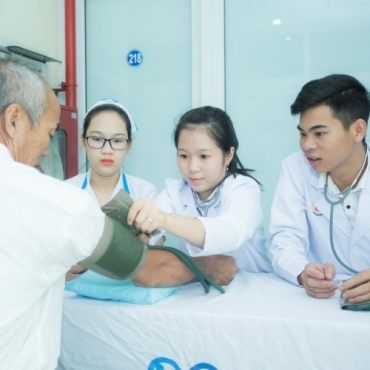
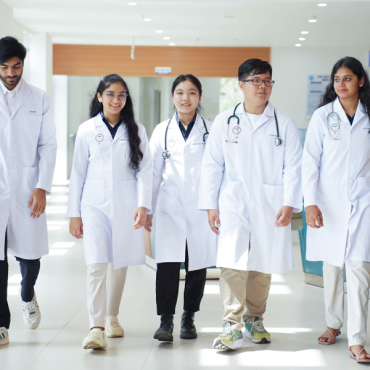

Handover of more than 50 fifth-year medical students to specialized hospitals for clinical internships
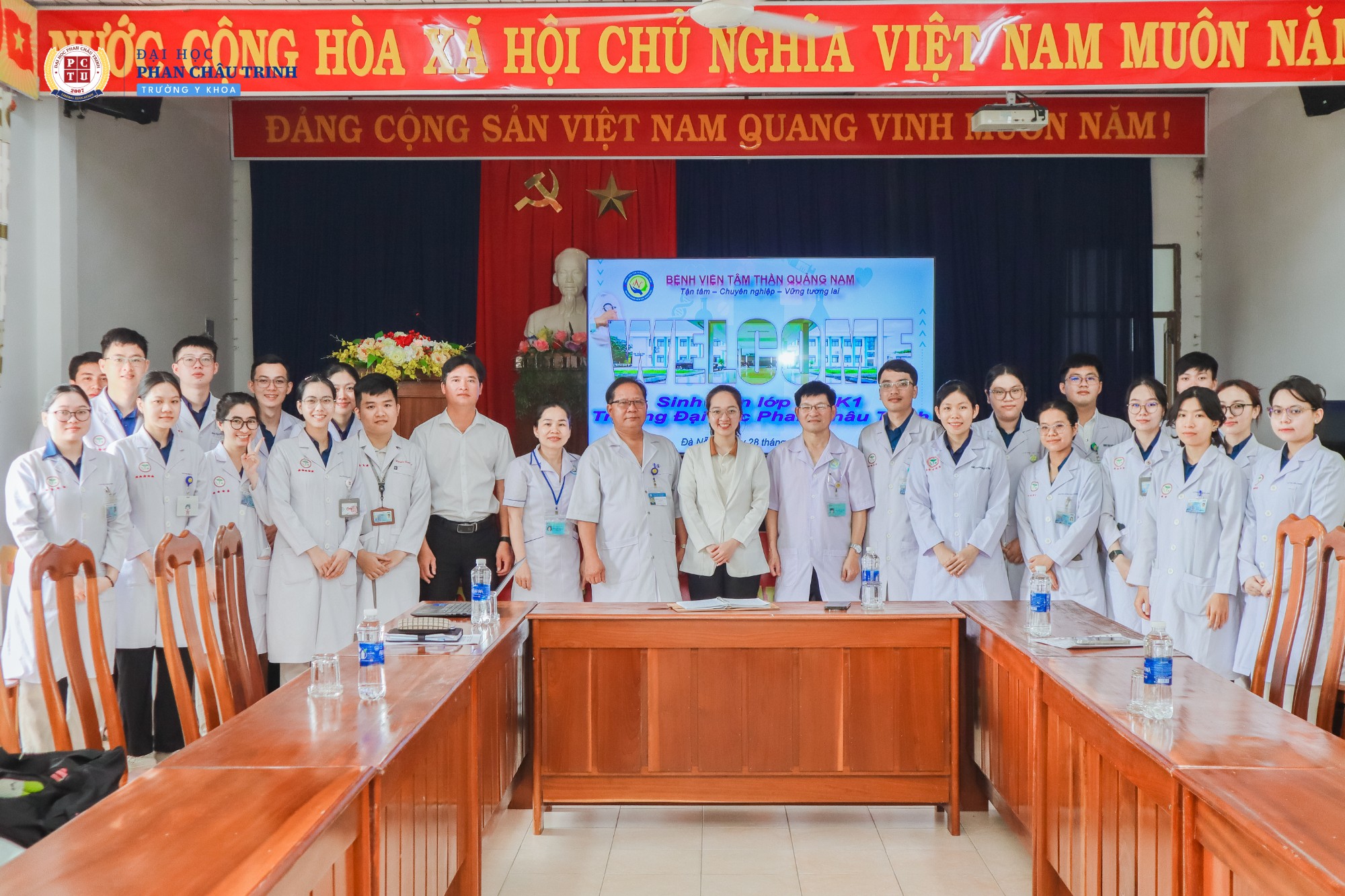
On the morning of April 28, the Faculty of Medicine, Phan Chau Trinh University, organized the handover of 53 fifth-year students from cohort K21 to begin clinical internships in the Tuberculosis and Psychiatry modules at three specialized hospitals: Da Nang Lung Hospital, Dong Thap Psychiatric Hospital, and Quang Nam Psychiatric Hospital. These are two mandatory modules in the medical training program, part of the internship plan for Semester II of the 2025–2026 academic year.
During the two-week period from April 27 to May 10, students will participate in professional practice under the guidance of hospital physicians. Specifically, in the Tuberculosis module, students will focus on taking medical histories, examining respiratory diseases—especially tuberculosis—interpreting paraclinical results, monitoring treatment, and mastering infection control procedures in hospitals.
For the Psychiatry module, students will be trained in patient approach skills through therapeutic communication, assessment of psychological and behavioral status, identification of common mental disorders, and participation in monitoring and supporting patient care during inpatient treatment.
In parallel with professional activities, each student is required to complete clinical case records according to standard procedures, including: history taking, physical examination, symptom synthesis, diagnostic reasoning, differential diagnosis, and proposing management plans. This is a key component to help students strengthen clinical thinking and enhance professional practice capacity.
At the handover ceremony, Dr. Pham Van Tu – Director of Da Nang Lung Hospital, introduced hospital regulations, guided infection control procedures, and provided orientation for learning at the department. He also emphasized the importance of professional attitude in patient interactions, especially maintaining calmness, confidence, and respect—essential factors in medical practice.
Clinical practice at specialized hospitals not only helps students gain deeper exposure to fields such as respiratory diseases and mental health, but also broadens their perspective on public health, prevention, and comprehensive patient care.
Through this, students will reinforce professional knowledge and develop clinical skills, gradually forming a comprehensive medical mindset—from prevention to treatment, from physical care to psychological support. This also serves as an important foundation for training doctors who are not only professionally competent but also ethically grounded, empathetic toward patients, and adaptable in various environments and situations.
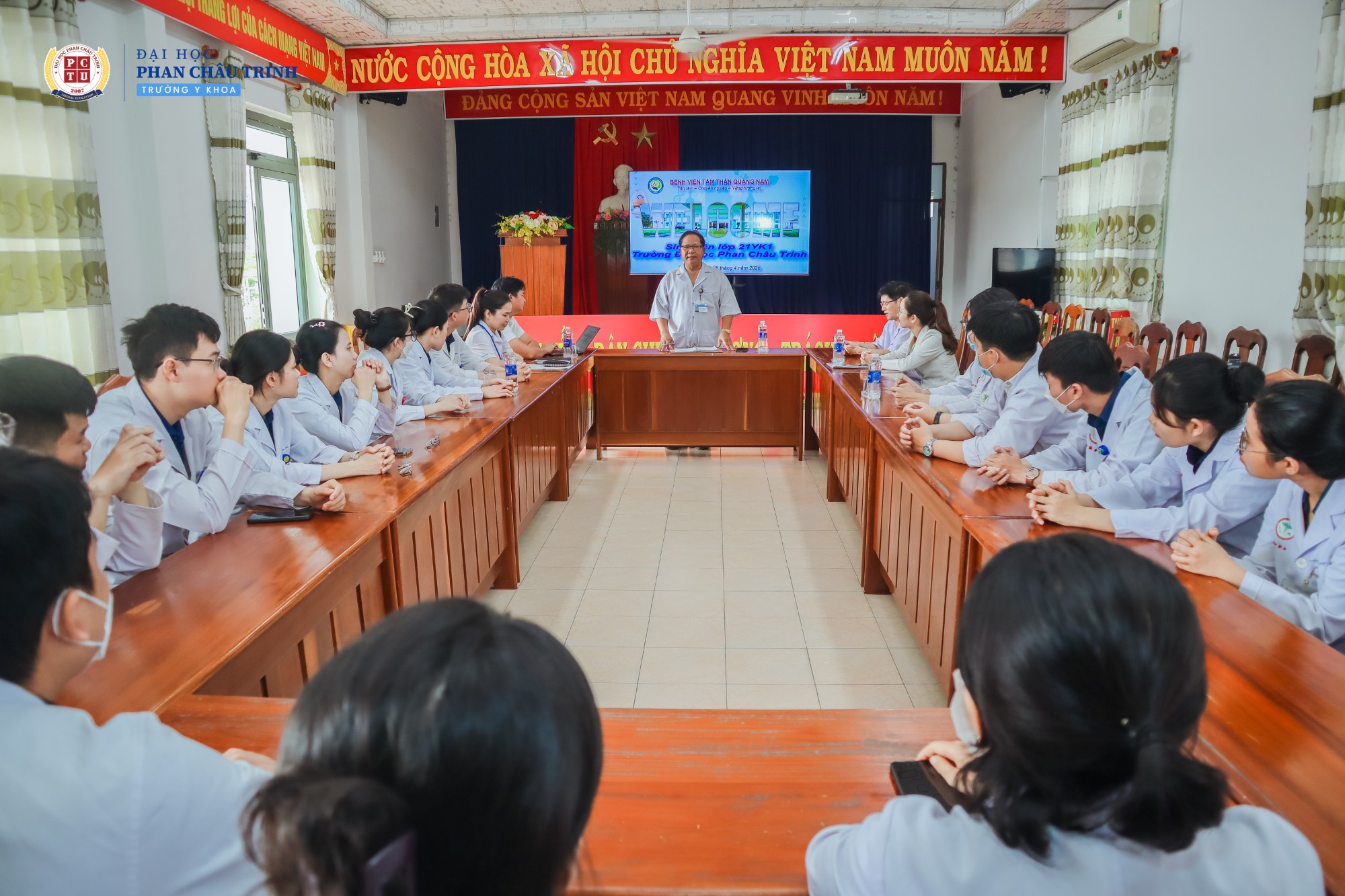
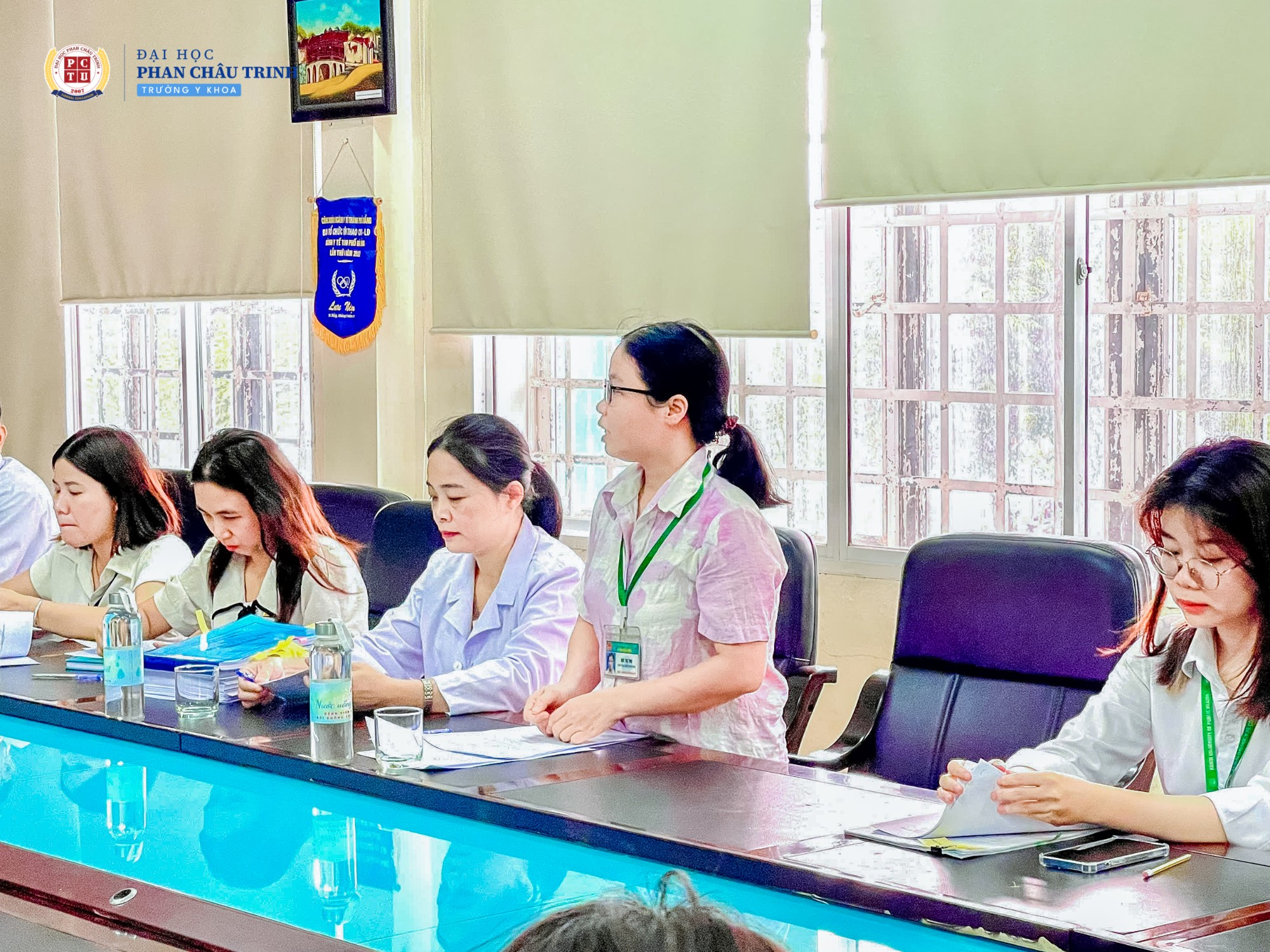
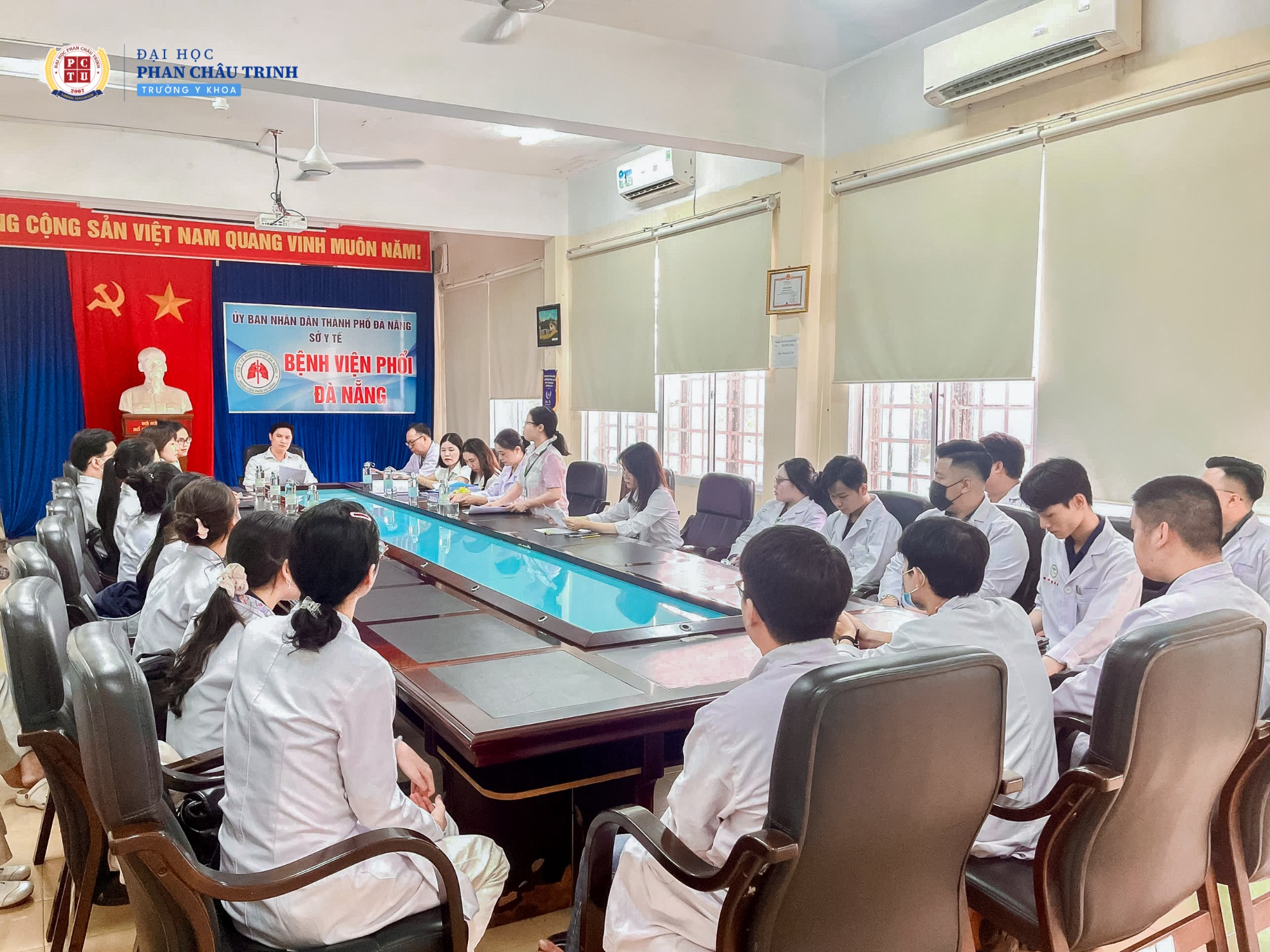
Some images from the student internship handover ceremony
For furthur information:
- Programs
- Tuition and Fees
- How to Apply
- Facilities
- Activities & Experiences
- Student Life
- Follow us on Facebook
Contact us:
Admission Office:
- Mr. Nguyen Van Minh - Admission Office – Phan Chau Trinh University
- Address: 09 Nguyen Gia Thieu street, Dien Ban Dong ward - Da Nang city
- Tel: (+84235) 3 757 959 or +84.0981.559.255
- WhatsApp Number: +84.0981.559.255 or +84.0962.553.155
- Email: tuyensinh@pctu.edu.vn
- Fanpage: www.facebook.com/daihocphanchautrinh
Other admissions
- For the third consecutive year, students from Japan’s national University join PCTU for internships ( 13:16 - 15/09/2026 )
- “PCTU Doucs” becomes the mascot of Phan Chau Trinh University ( 15:26 - 14/09/2026 )
- 8 faces of the 2026 medical residency program ( 15:22 - 14/09/2026 )
- 12 new students receive talent and medical aspirations scholarships ( 15:12 - 14/09/2026 )
- Afraid of blood but choosing medicine, female student becomes 2026 entrance valedictorian ( 14:56 - 14/09/2026 )
- A sacred moment: K.26 students don their White Coats ( 08:48 - 12/09/2026 )
- Dental medicine students kick off their fourth year with clinical practice ( 08:00 - 08/09/2026 )
- Welcoming nearly 40 international medical students for the first intake of 2026 ( 07:41 - 03/09/2026 )
- From strangers to teammates, giving it their all ( 16:14 - 28/08/2026 )
- PCTU accompanies freshmen in shaping their identity ( 16:02 - 28/08/2026 )
PHAN CHAU TRINHUNIVERSITY
- 09 Nguyen Gia Thieu street,
Dien Ban Dong ward,
Da Nang city
Phan Chau TrinhUniversity’s Hospital
- 09 Nguyen Gia Thieu street,
Dien Ban Dong ward,
Da Nang city