


Contact Admission
International Collaboration



The First Touch: Where Psychology Embraces a Newborn's First Cry
Some moments happen only once in a lifetime, yet their impact can last for generations. One such moment is the first hour after birth—also known as the “Golden Hour.”
Imagine a tiny newborn leaving the warm, safe environment of the womb to enter a world filled with bright lights and unfamiliar sounds. In that vulnerable moment, no medicine or warming crib can compare to the comfort of resting skin-to-skin on the mother's bare chest.
Whether delivered vaginally or by cesarean section, uninterrupted skin-to-skin contact for at least the first hour after birth creates remarkable benefits. During this time, newborns naturally progress through instinctive stages—from alertness and relaxation to finding the breast and receiving their very first drops of colostrum. Scientific evidence shows that skin-to-skin contact helps stabilize heart rate, regulate body temperature, and promote optimal brain development. For mothers, it eases physical discomfort, supports hormonal balance, and strengthens a lifelong emotional bond with their child.
Beyond its medical benefits, the “Golden Hour” lays the foundation for a person's emotional development and capacity for attachment. In the past, babies were often separated from their mothers immediately after birth for weighing, cleaning, and routine procedures. Without realizing it, these practices may have deprived newborns of a crucial opportunity for early bonding.
From the perspective of modern Clinical and Counseling Psychology, these earliest moments of life are closely connected to both physical and mental health throughout human development.
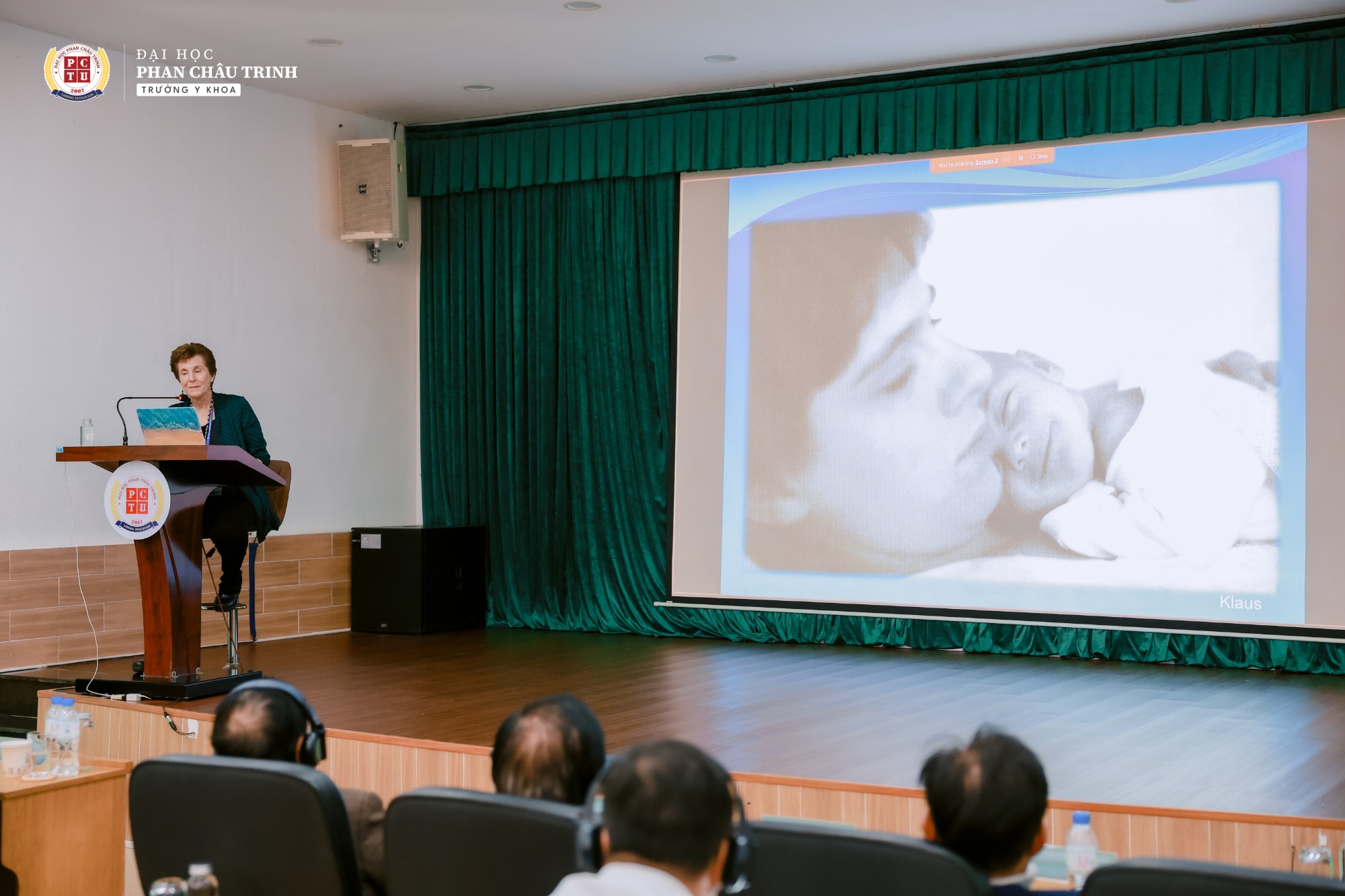
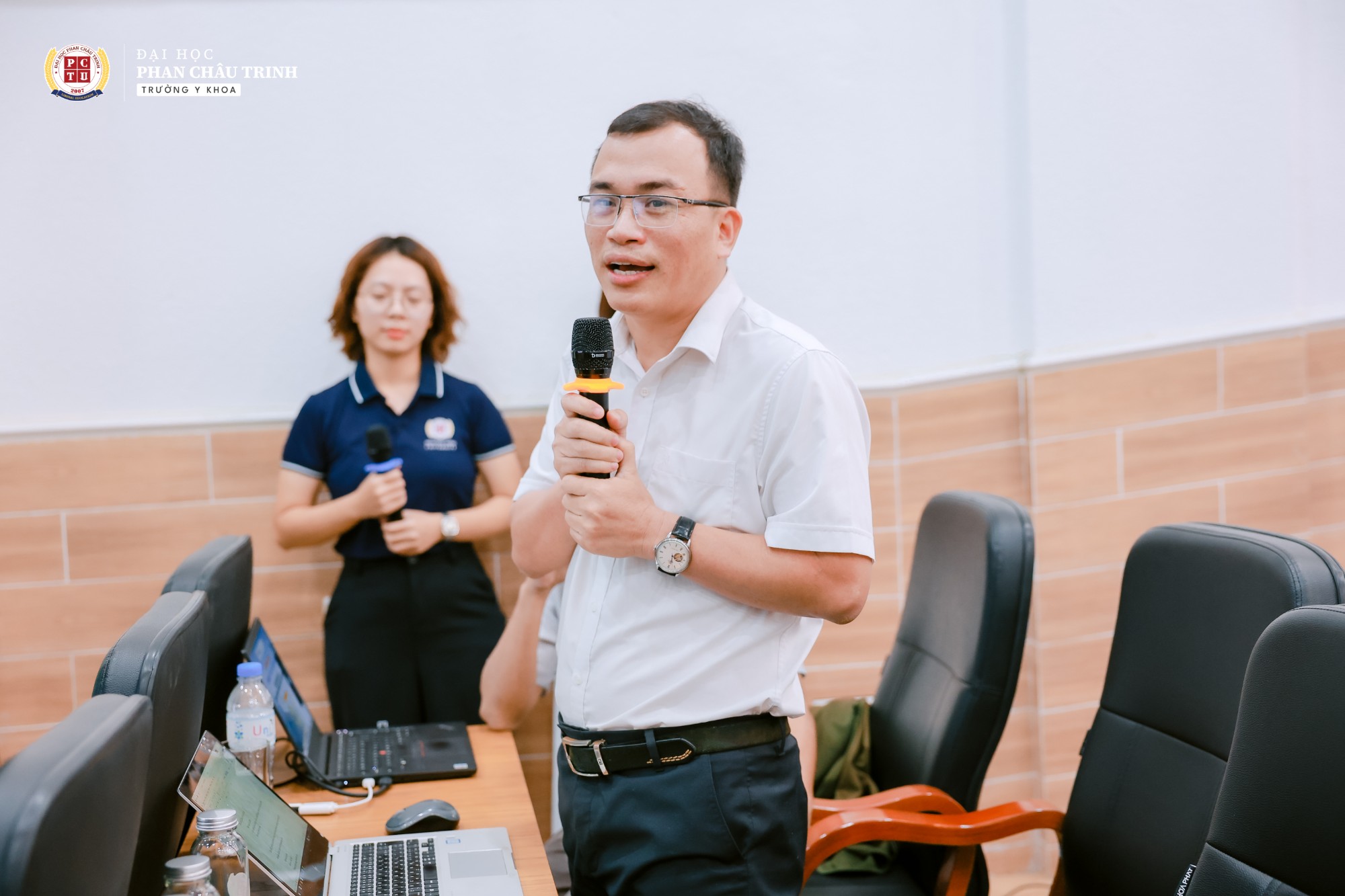
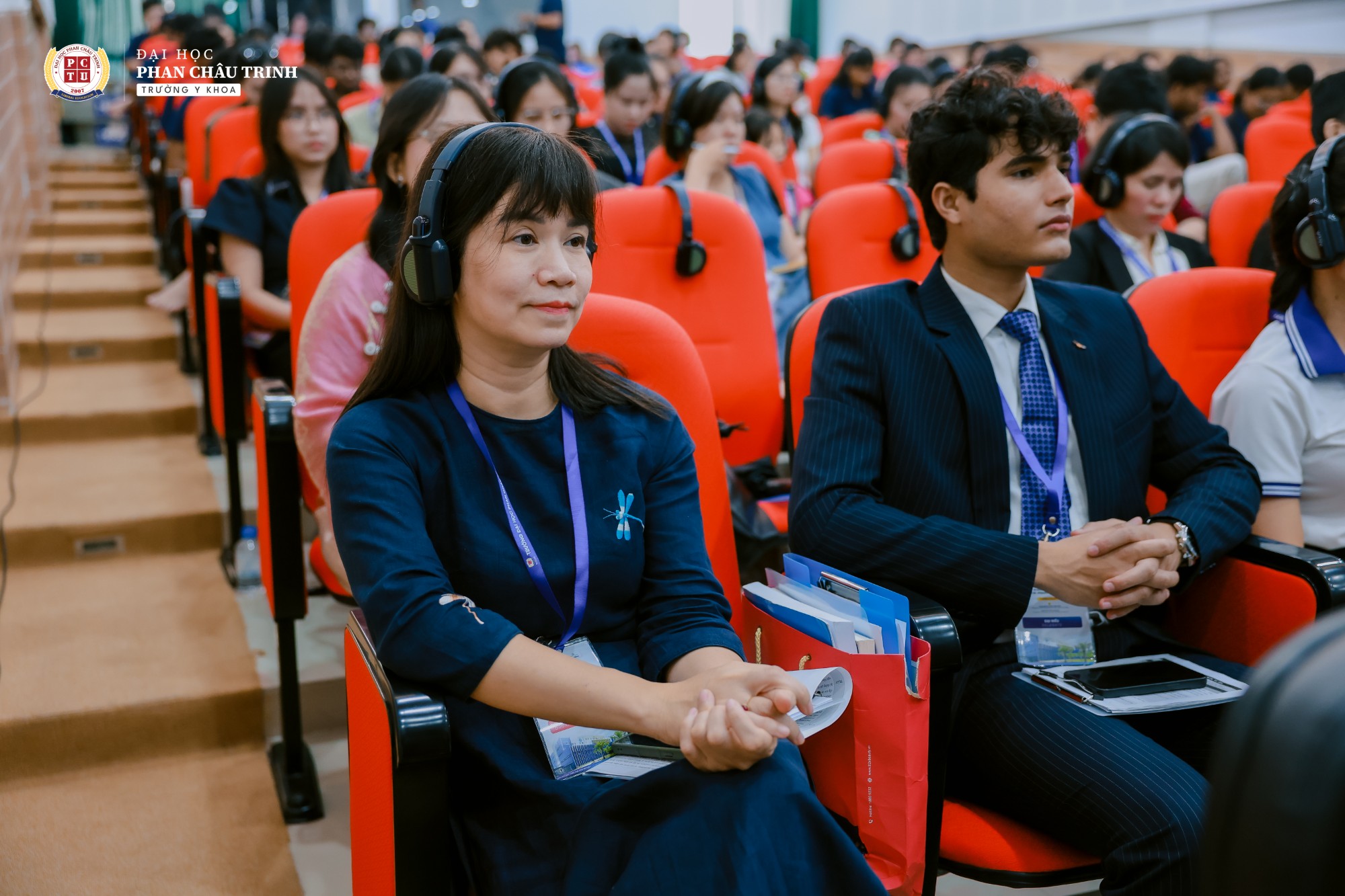
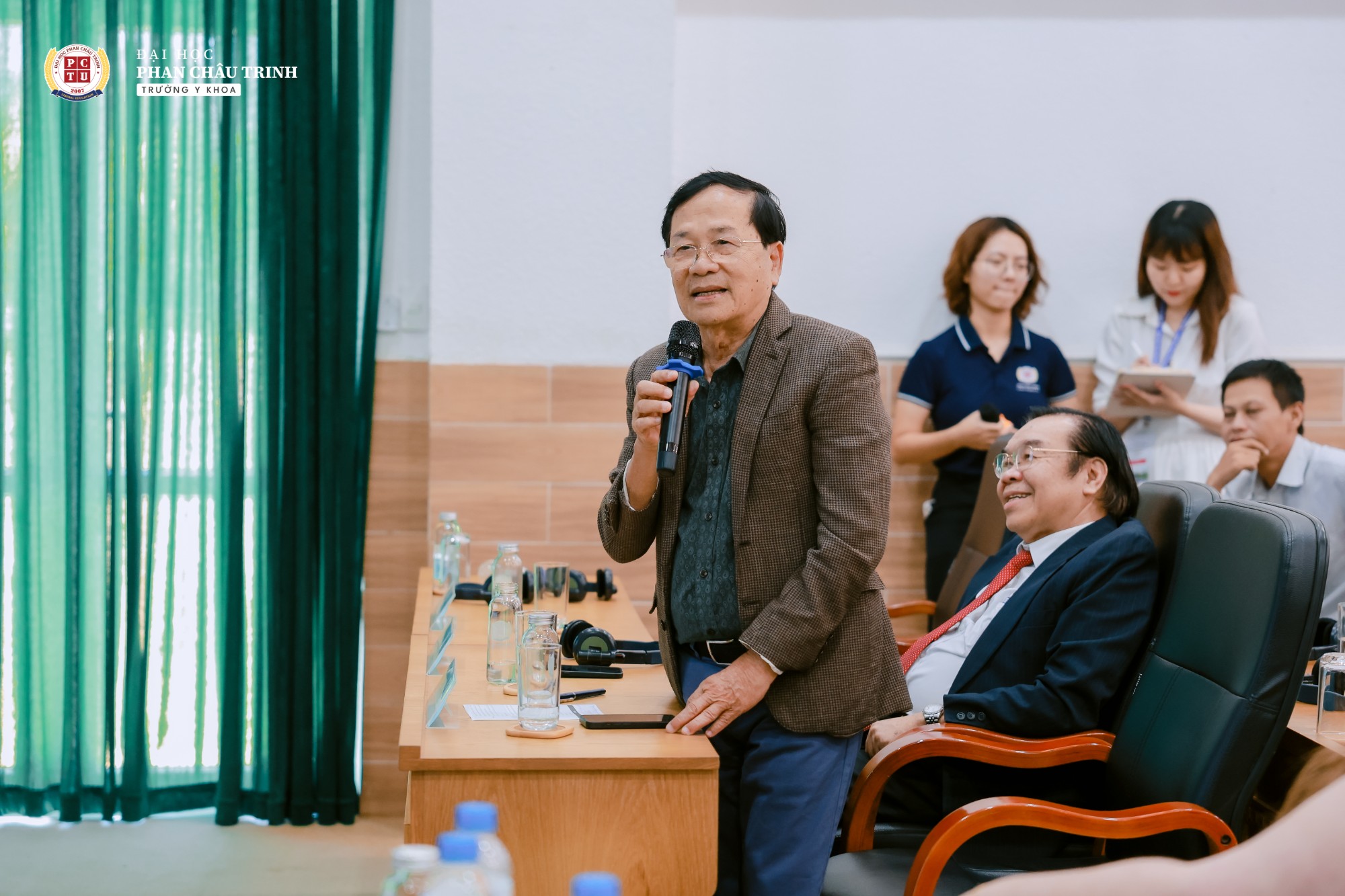
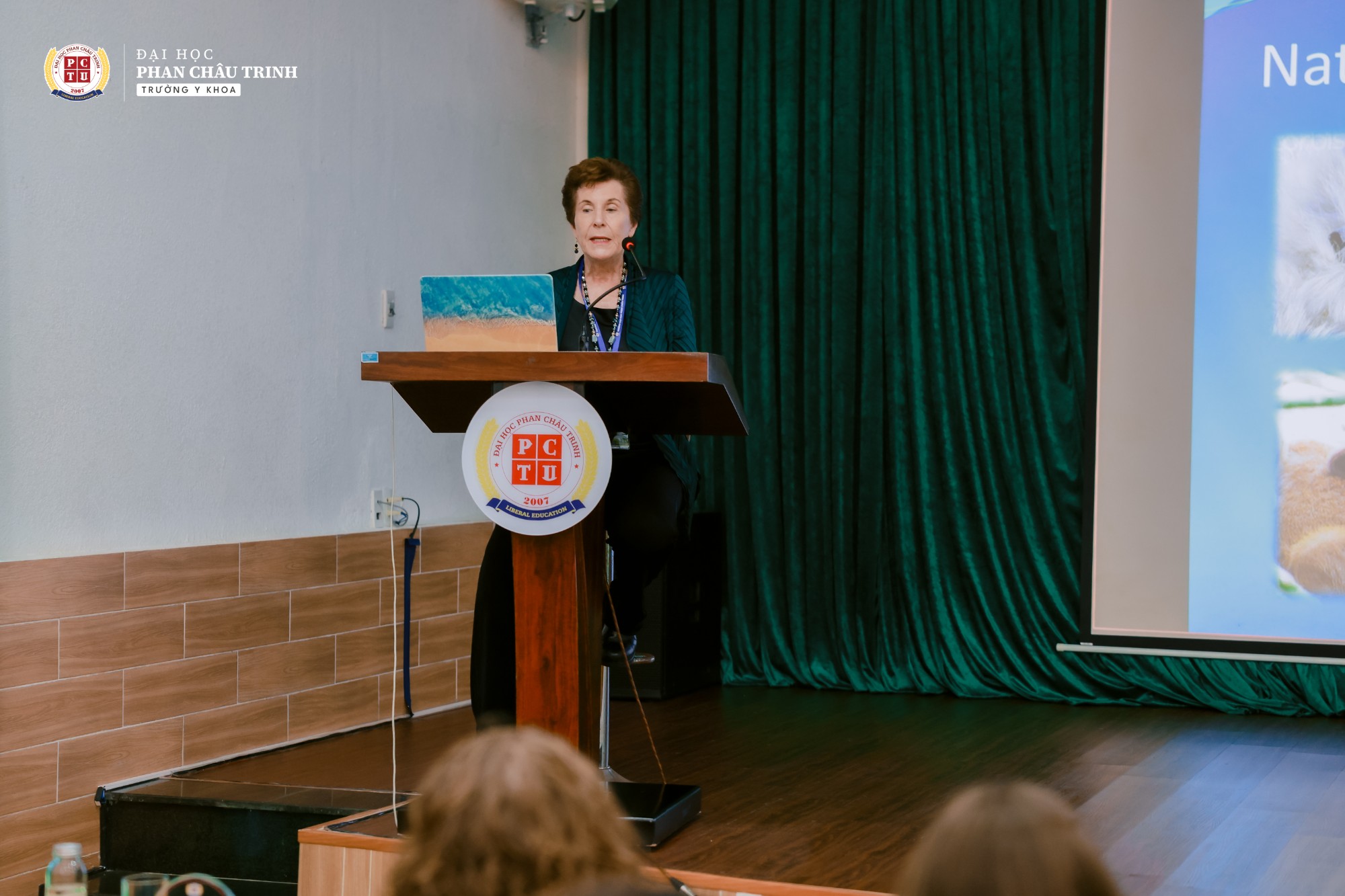
These meaningful insights were shared by Assoc. Prof. Dr. Raylene M. Phillips during the opening keynote of the International Conference “Early Connections – Approaches to Prenatal and Perinatal Psychology,” held at Phan Chau Trinh University (PCTU) on the morning of June 20.
Through internationally oriented academic activities, PCTU continues to introduce emerging perspectives in modern psychology, particularly in the field of Prenatal and Perinatal Psychology. This discipline explores the relationship between mental health, child development, and experiences from pregnancy through the earliest years of life, creating new opportunities for students pursuing Clinical and Counseling Psychology to meet the growing demand for mental health care.
Photos from the conference:


For furthur information:
- Programs
- Tuition and Fees
- How to Apply
- Facilities
- Activities & Experiences
- Student Life
- Follow us on Facebook
Contact us:
Admission Office:
- Mr. Nguyen Van Minh - Admission Office – Phan Chau Trinh University
- Address: 09 Nguyen Gia Thieu street, Dien Ban Dong ward - Da Nang city
- Tel: (+84235) 3 757 959 or +84.0981.559.255
- WhatsApp Number: +84.0981.559.255 or +84.0962.553.155
- Email: tuyensinh@pctu.edu.vn
- Fanpage: www.facebook.com/daihocphanchautrinh
Other admissions
- “PCTU Doucs” becomes the mascot of Phan Chau Trinh University ( 15:26 - 14/09/2026 )
- 8 faces of the 2026 medical residency program ( 15:22 - 14/09/2026 )
- 12 new students receive talent and medical aspirations scholarships ( 15:12 - 14/09/2026 )
- Afraid of blood but choosing medicine, female student becomes 2026 entrance valedictorian ( 14:56 - 14/09/2026 )
- A sacred moment: K.26 students don their White Coats ( 08:48 - 12/09/2026 )
- Dental medicine students kick off their fourth year with clinical practice ( 08:00 - 08/09/2026 )
- Welcoming nearly 40 international medical students for the first intake of 2026 ( 07:41 - 03/09/2026 )
- From strangers to teammates, giving it their all ( 16:14 - 28/08/2026 )
- PCTU accompanies freshmen in shaping their identity ( 16:02 - 28/08/2026 )
- Adding an international touch to the start of the New Academic Year at PCTU ( 09:05 - 27/08/2026 )
PHAN CHAU TRINHUNIVERSITY
- 09 Nguyen Gia Thieu street,
Dien Ban Dong ward,
Da Nang city
Phan Chau TrinhUniversity’s Hospital
- 09 Nguyen Gia Thieu street,
Dien Ban Dong ward,
Da Nang city