

Contact Admission
International Collaboration





Specialized workshop: “Personalization in the diagnosis and treatment of allergic diseases and asthma”
On the morning of January 24, Phan Chau Trinh University (PCTU) successfully hosted a specialized workshop titled “Personalization in the Diagnosis and Treatment of Allergic Diseases and Asthma.” The event attracted a large number of experts, physicians, healthcare professionals, lecturers, and PCTU students, attending both in person and online. The program served as an academic forum to update emerging trends in personalized approaches to allergic diseases and asthma — areas receiving growing attention in modern medicine.
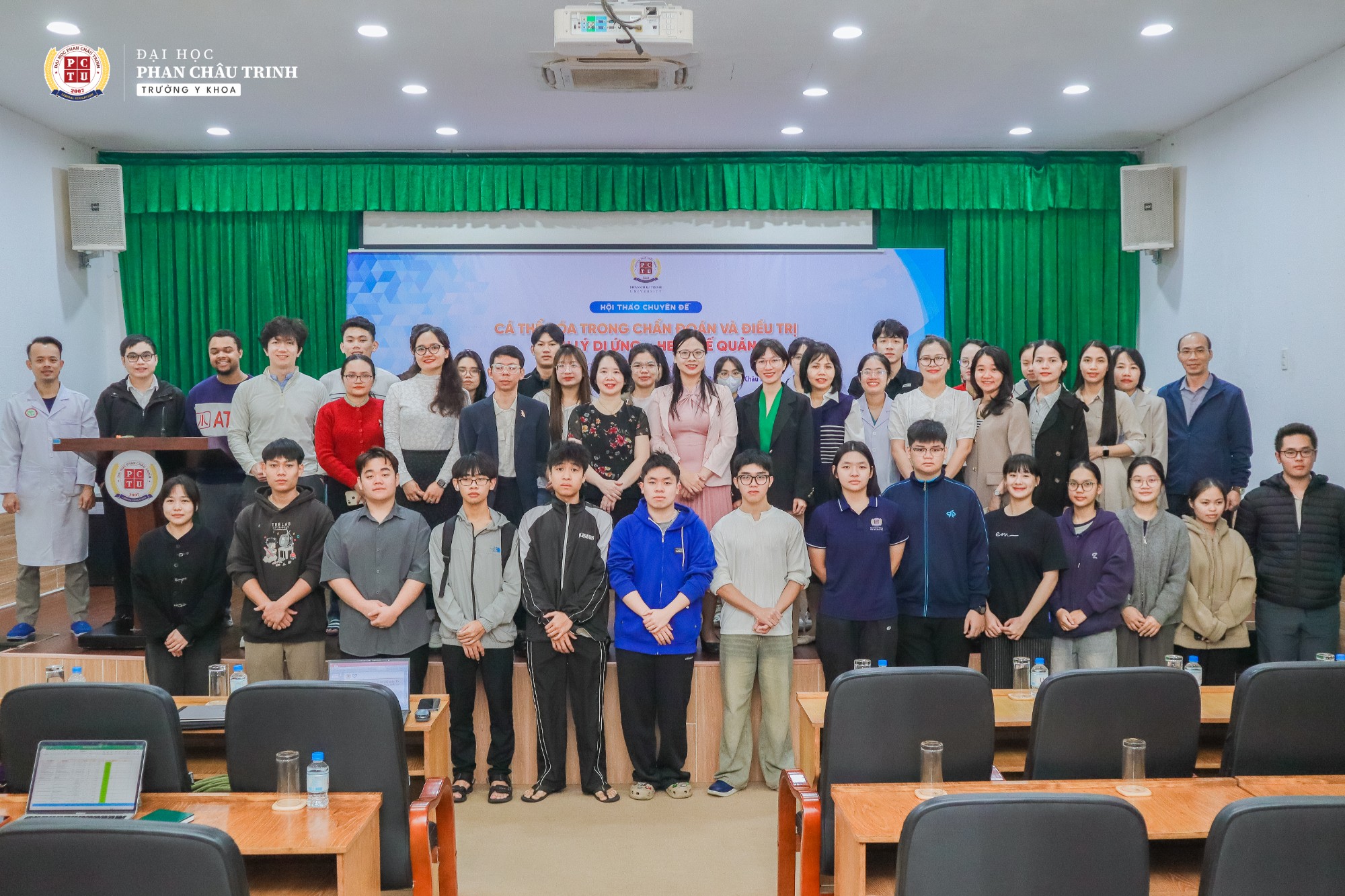
The workshop was honored to welcome researchers in the field of allergy and asthma, offering multidimensional and in-depth perspectives:
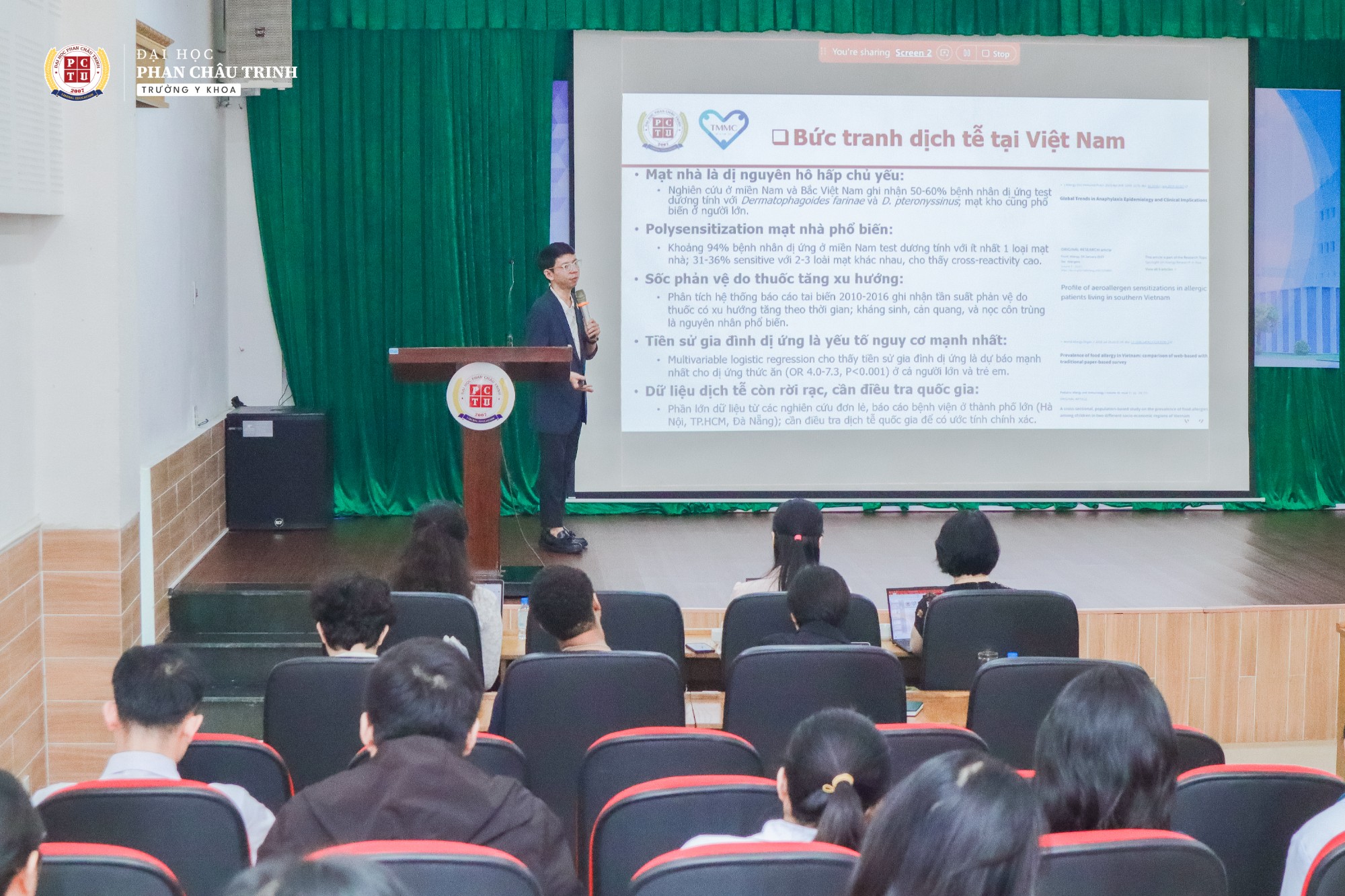
Opening the scientific session, Dr. Phan Le Minh Tu – Executive Director of the Center for Biomedical Research and Application and Head of the Stem Cell Research Group at Phan Chau Trinh University – delivered an overview presentation titled “Epidemiological Trends and Breakthroughs in Allergy Diagnosis.” His talk highlighted current changes in allergy and asthma disease patterns and introduced new technologies that help identify complex sensitization profiles for more precise and personalized treatment.
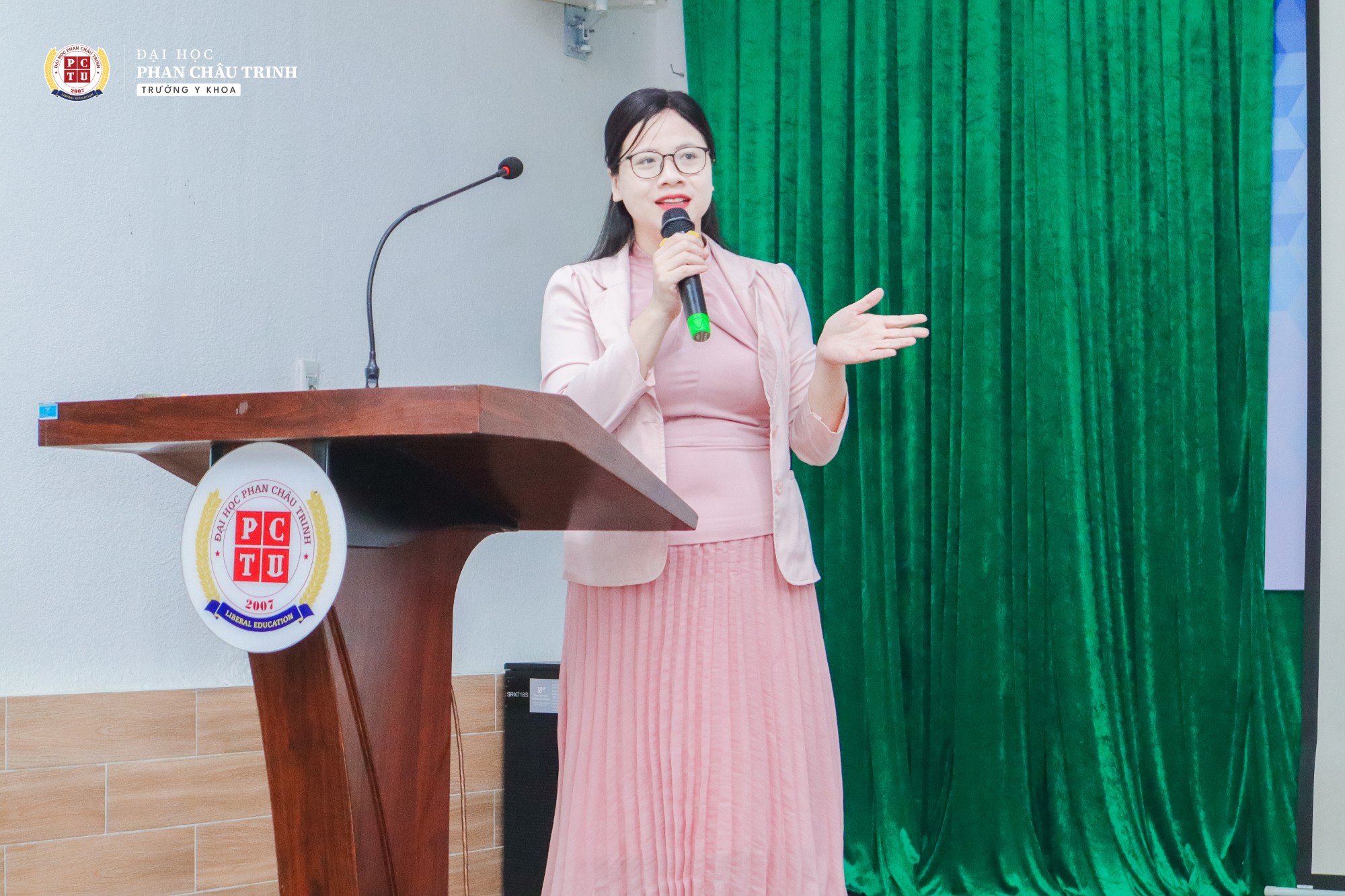
Continuing the focus on diagnosis, Dr. Trinh Hoang Kim Tu, MD, PhD – Head of the Allergy–Immunology Group, Center for Molecular Biomedicine, University of Medicine and Pharmacy at Ho Chi Minh City – detailed patient management processes in her presentation “Personalized Management and Diagnosis of Allergy Patients,” with particular emphasis on food allergies. She stressed that understanding each patient’s unique medical profile is the “key” to optimizing treatment outcomes.
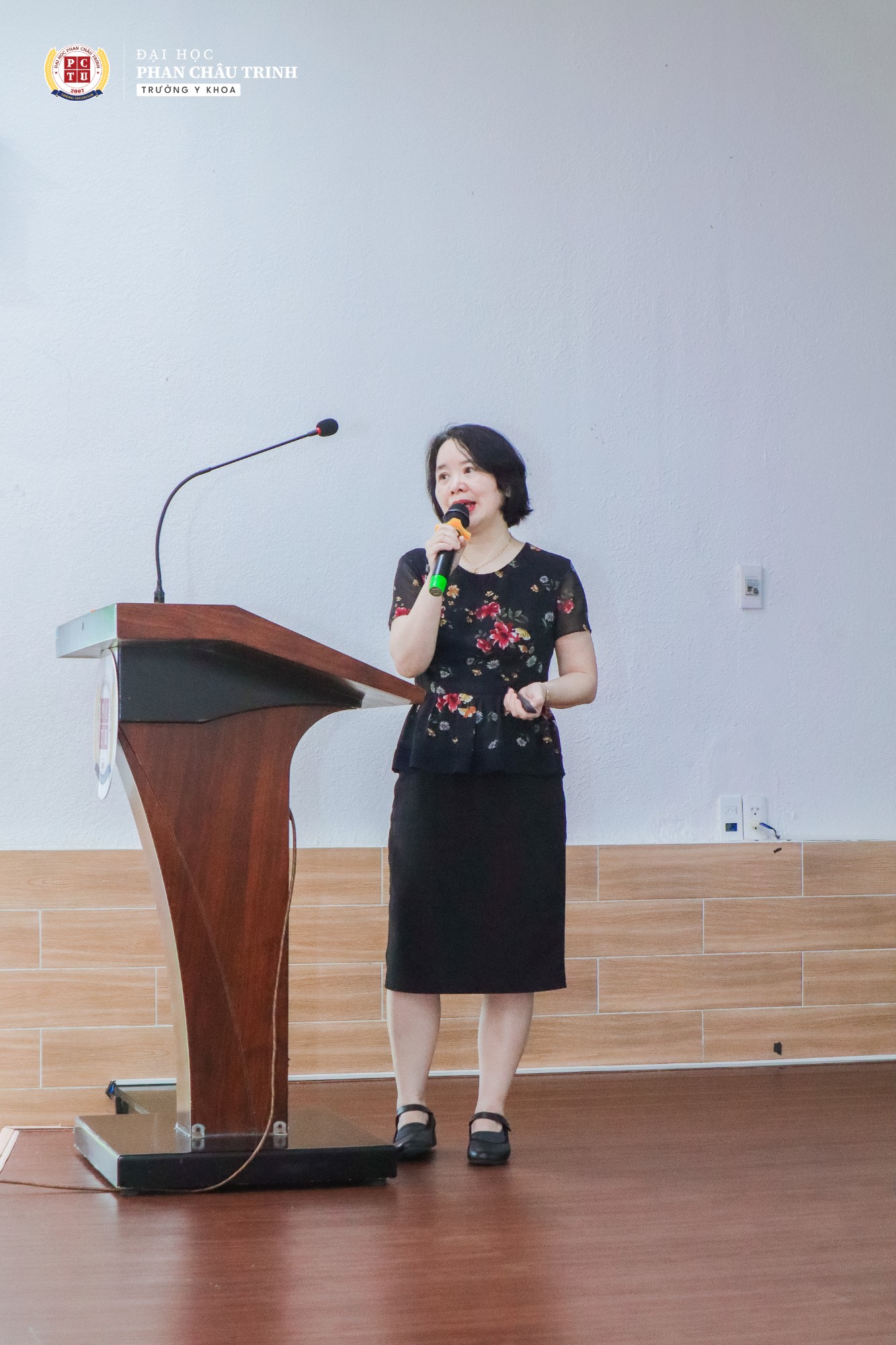
From a clinical treatment perspective, the workshop also explored practical therapeutic solutions through a presentation by Assoc. Prof. Dr. Hoang Thi Lam, MD, PhD – Head of the Clinical Immunology Department, Tam Anh General Hospital. With over 24 years of experience, she shared insights in her talk “From Immunological Mechanisms to the Selection of Biologic Therapies” in the personalized treatment of asthma, bringing new hope for patients with severe and difficult-to-control asthma.
The workshop concluded with an open discussion session, creating opportunities for direct exchange between speakers and participants. The event also highlighted the research direction of PCTU’s Center for Biomedical Research and Application, which focuses on biomarkers and biosensor technologies supporting stem cell–based personalized medicine. These research outcomes are expected to become practical clinical tools, helping physicians achieve faster diagnoses and develop the most appropriate treatment plans for each patient.
Other news
- Patients satisfied with minimally invasive treatment ( 13:35 - 15/09/2026 )
- A new academic year begins with values carried forward ( 08:03 - 12/09/2026 )
- Exploring clinical placement opportunities in Australia with Bond University for PCTU medical students ( 09:29 - 27/08/2026 )
- Two research centers – one shared vision in regenerative medicine ( 09:13 - 27/08/2026 )
- Continue collaborating with Bond University to expand the clinical internship network. ( 08:37 - 27/08/2026 )
- Continue training faculty members of the Institute–University on simulation-based teaching methods ( 08:04 - 22/08/2026 )
- Da Nang C hospital connects with PCTU to strengthen professional exchange in hospital–university collaboration ( 09:20 - 21/08/2026 )
- Welcoming Korean students to PCTU for cadaveric anatomy study ( 16:04 - 18/08/2026 )
- CONNECTING SCIENCE, CREATING NEW SOLUTIONS FOR REGENERATIVE MEDICINE ( 08:57 - 18/08/2026 )
- PCTU Discusses AI Applications in Healthcare with AITRICS ( 08:51 - 17/08/2026 )
PHAN CHAU TRINHUNIVERSITY
- 09 Nguyen Gia Thieu street,
Dien Ban Dong ward,
Da Nang city
Phan Chau TrinhUniversity’s Hospital
- 09 Nguyen Gia Thieu street,
Dien Ban Dong ward,
Da Nang city