



Contact Admission
International Collaboration


Trends in Vitamin K Administration in Newborns
Kristan Scott, MD; Evan Miller, MS et al.
Translator: Ths.BSNT Phạm Thị Minh Thuỳ
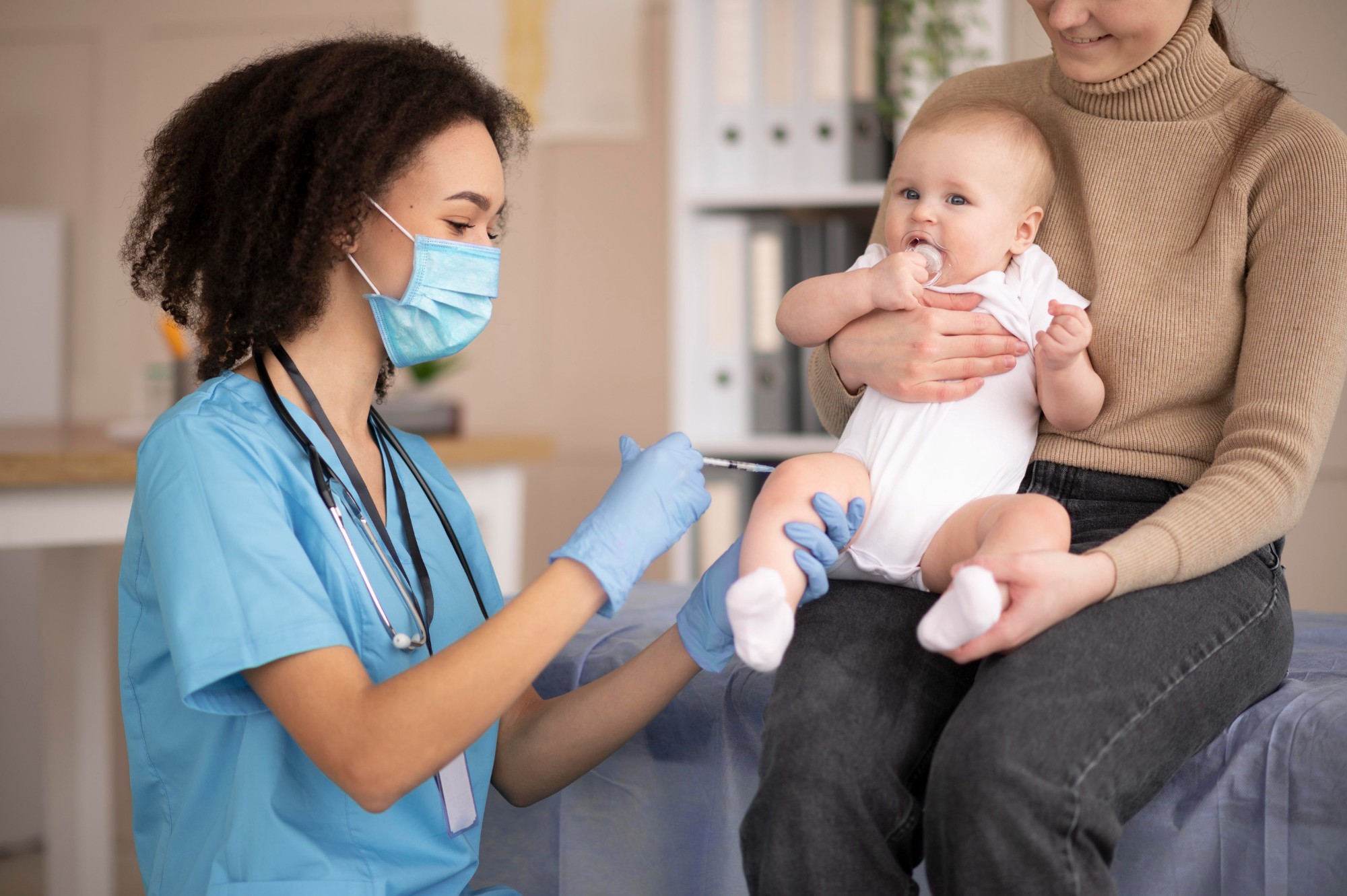
Routine intramuscular vitamin K prophylaxis for newborns has nearly eliminated vitamin K deficiency bleeding in the United States since its widespread implementation in 1961. However, reports indicate that the rate of parental refusal of vitamin K injections has been increasing, leading to bleeding cases. To minimize this risk, newborns should receive prophylaxis immediately after birth due to minimal placental transfer of vitamin K, poor gastrointestinal absorption, and low levels in breast milk. Parents sometimes refuse vitamin K injections for their newborns due to concerns about necessity, pain from the injection, and potential side effects. Public skepticism toward preventive interventions in children has increased following the COVID-19 pandemic. It remains unclear whether nationwide intramuscular vitamin K administration rates changed during this period. This study aimed to evaluate whether the rate of newborns not receiving intramuscular vitamin K has increased in recent years and to identify factors associated with non-receipt.
Results
Among 5,096,633 newborns, 199,571 (3.92%) did not receive intramuscular vitamin K. This rate increased from 2.92% (15,354/510,987) in 2017 to 5.18% (37,187/680,215) in 2024 (P < 0.001 for unadjusted trend). No maternal or infant characteristics changed significantly over time. Race and ethnicity (highest among non-Hispanic White infants and those classified as other or unknown) and vaginal delivery were associated with non-receipt of vitamin K. The multivariable-adjusted rate increased from 2.57% (95% CI: 2.52%–2.63%) in 2017 to 4.62% (95% CI: 4.55%–4.70%) in 2024.
Methods
- A retrospective cohort study was conducted using the Cosmos research platform of Epic Systems (January 2017–December 2024), a de-identified electronic health record database in the United States. Hospitals with at least 10 births per year during the study period and newborns with gestational ages from 35 to 43 weeks were included. A total of 403 hospitals across all 50 states and the District of Columbia contributed data.
- After calculating the rate of newborns not receiving intramuscular vitamin K, maternal and infant characteristics and their changes over time were examined. A standardized difference greater than 0.1 was considered meaningful. Race and ethnicity data were obtained from electronic medical records. Adjusted rates over time were calculated using logistic regression models. The study followed STROBE reporting guidelines for cohort studies.
Discussion
- The rate of newborns not receiving intramuscular vitamin K increased from 2.92% to 5.18% between 2017 and 2024 in a large U.S. electronic health record dataset. These rates are similar to a 2016 study in North Carolina but higher than a 2018 study of 102,878 newborns in 34 states (0.6%). The rise began before the COVID-19 pandemic.
- Although refusal is likely the primary reason for non-administration, this study lacked parental or clinician data on specific reasons. Findings are generalizable only to newborns with gestational age ≥35 weeks. Out-of-hospital births were not captured, so the true non-receipt rate may be higher, as refusal rates are often greater in planned home births.
- Further research is needed to assess whether these trends are associated with increased risks of severe bleeding such as intracranial hemorrhage. A multifaceted approach, including state-level public health policies and standardized clinician–family communication about vitamin K refusal, is urgently needed to improve uptake of this highly effective prophylaxis.
Characteristics Table
| Characteristic | Received Vitamin K (%) | Did Not Receive Vitamin K (%) | p |
|---|---|---|---|
| Total | 4,897,062 (96.1%) | 199,571 (3.92%) | |
| < 20 years | 152,543 (96.7%) | 5,137 (3.3%) | 0.05 |
| 20 to < 35 | 3,681,004 (96.1%) | 147,474 (3.9%) | |
| ≥ 35 | 1,063,502 (95.8%) | 46,958 (4.2%) | |
| Non-Hispanic White | 2,641,985 (95.7%) | 117,604 (4.3%) | |
| Vaginal delivery | 3,352,096 (95.8%) | 148,589 (4.2%) | 0.14 |
| Cesarean delivery | 1,544,966 (96.8%) | 50,982 (3.2%) | |
| Female infant | 2,396,209 (95.9%) | 102,066 (4.1%) | 0.04 |
| Male infant | 2,500,853 (96.2%) | 97,505 (3.8%) |
Read the full article at JAMA
Other Case Report
- Thuật toán thông minh: Bước tiến mới trong việc phát hiện nguy cơ tự sát ở trẻ em tại phòng cấp cứu ( 15:13 - 25/03/2026 )
- A new advancement in predicting suicide risk among adolescents in the Emergency Department. ( 15:47 - 24/02/2026 )
- Atopic Dermatitis (AD) in Children ( 08:29 - 07/08/2025 )
- Apnea in Preterm Infants and the MoCHA Trial ( 08:34 - 01/07/2025 )
PHAN CHAU TRINHUNIVERSITY
- 09 Nguyen Gia Thieu street,
Dien Ban Dong ward,
Da Nang city
Phan Chau TrinhUniversity’s Hospital
- 09 Nguyen Gia Thieu street,
Dien Ban Dong ward,
Da Nang city