

Contact Admission
International Collaboration




More than 7 million Vietnamese people have diabetes: what are the new directions in treatment?
Vietnam currently has more than 7 million people living with diabetes; however, only about one-third of patients are diagnosed and achieve treatment targets. This situation poses a major challenge for the healthcare sector in early detection, disease control, and prevention of serious complications affecting the cardiovascular system, kidneys, eyes, and nerves.
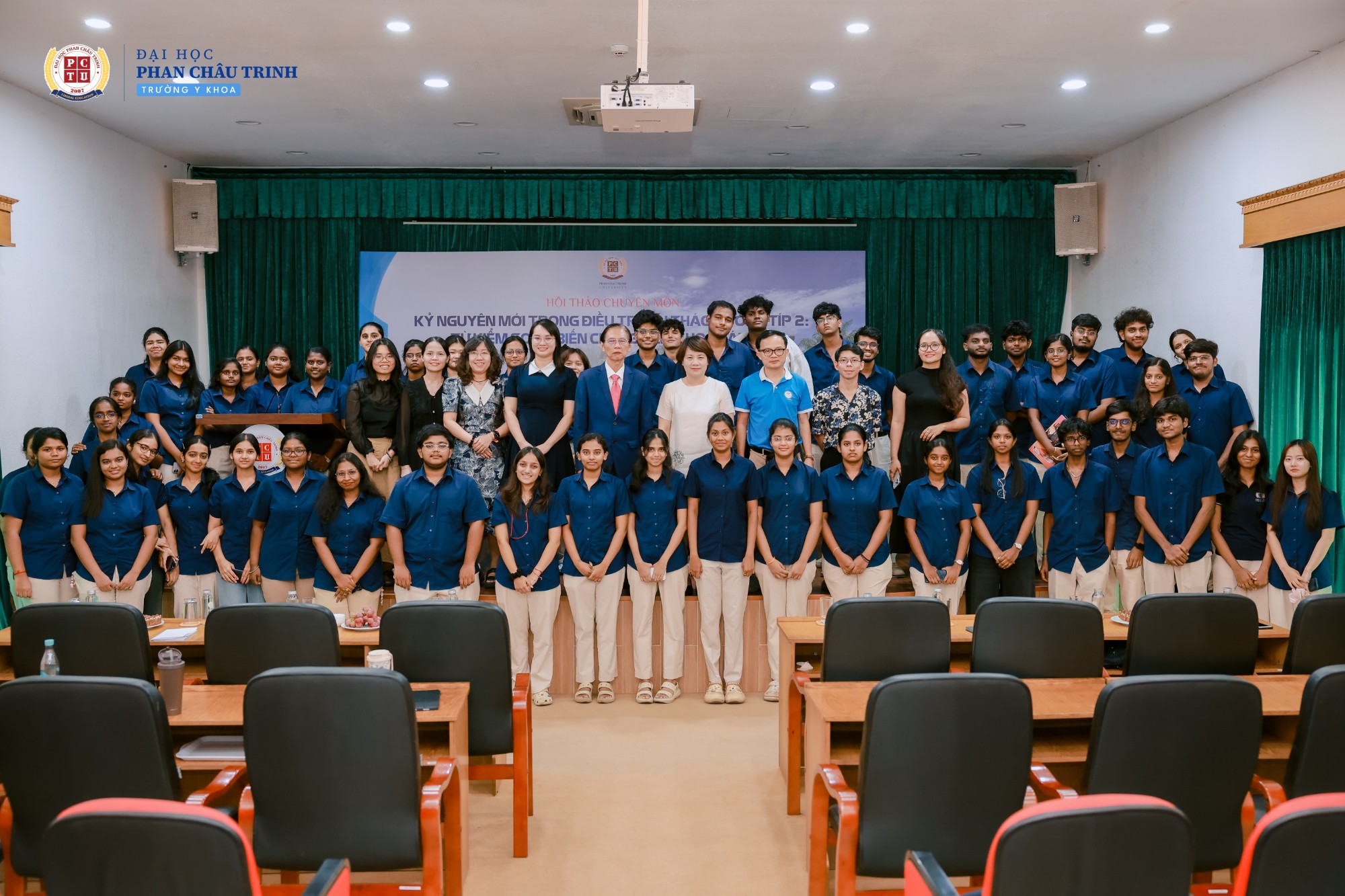
In this context, the professional seminar “A New Era in Type 2 Diabetes Treatment: From Complication Control to Regenerative Medicine,” organized by Phan Chau Trinh University on the afternoon of June 25, attracted more than 100 doctors, healthcare professionals, and learners, with the aim of updating participants on emerging trends in modern diabetes treatment.
Opening the program, Dr. Nguyen Anh Thu - Research Specialist at the Biomedical Research and Application Center, Phan Chau Trinh University, introduced advances in regenerative medicine for diabetes treatment, from the Edmonton protocol to studies on stem cells and gene editing. The presentation highlighted the potential to restore the body’s natural insulin-producing function, opening up new prospects for future treatment.
Continuing the program, PGS.TS.BS Vu Thi Thanh Huyen - Head of the Department of Endocrinology, Musculoskeletal Medicine, National Geriatric Hospital, presented updates in modern medicine for the treatment of type 2 diabetes. The presentation emphasized the shift from the sole objective of glycemic control toward multi-organ protection, while also personalizing treatment for each patient.
Closing the seminar, GS.TS.BS Nguyen Hai Thuy - Senior Lecturer, University of Medicine and Pharmacy, Hue University, updated participants on the latest recommendations for the diagnosis and treatment of heart failure in patients with type 2 diabetes in Southeast Asia. The presentation showed a close relationship between these two conditions, with more than 50% of heart failure patients in Southeast Asia having diabetes and about 12% of cases being newly diagnosed with diabetes. These figures underscore the importance of early screening and a comprehensive treatment approach to reduce the risk of cardiovascular complications in patients.
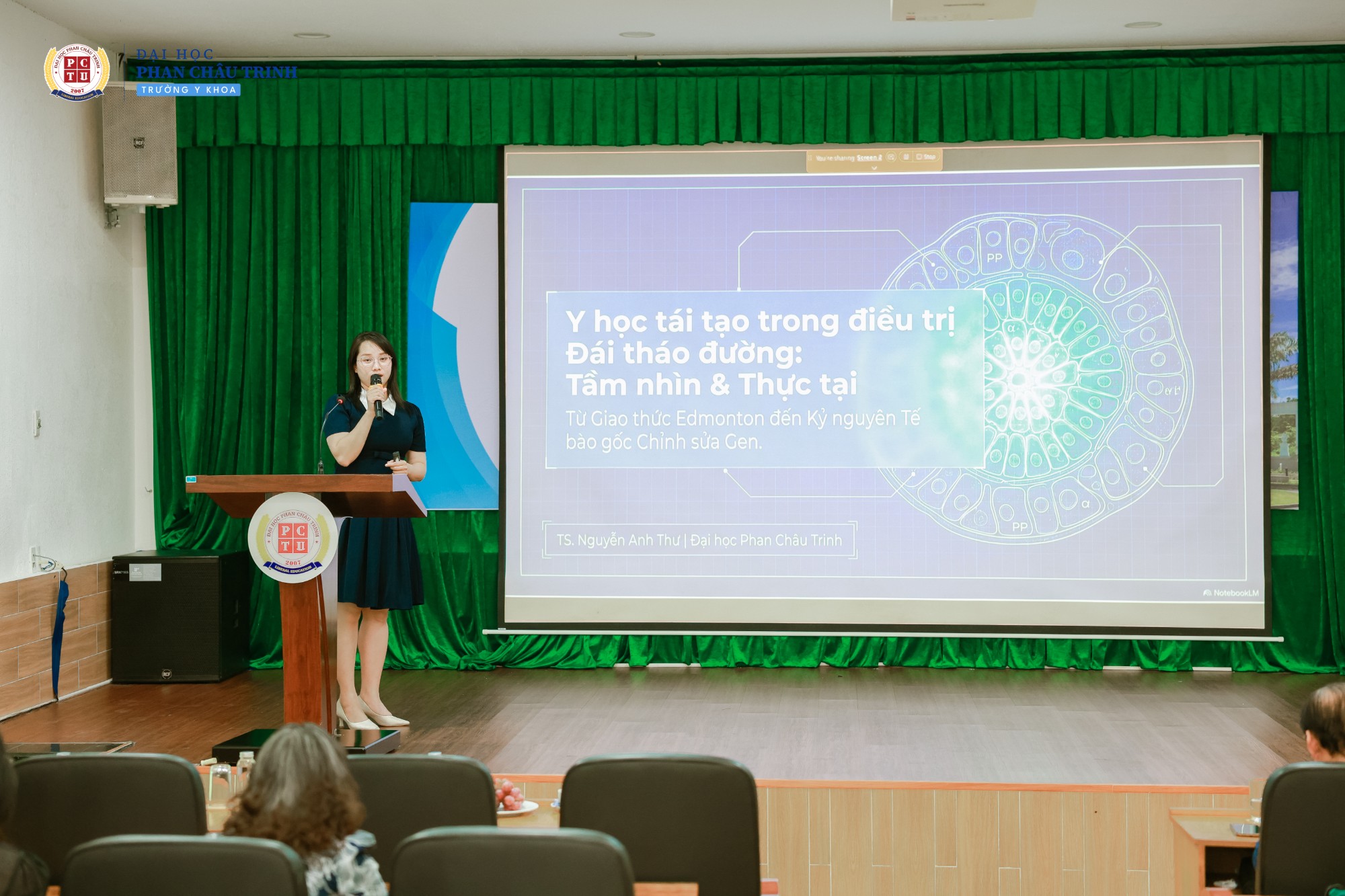
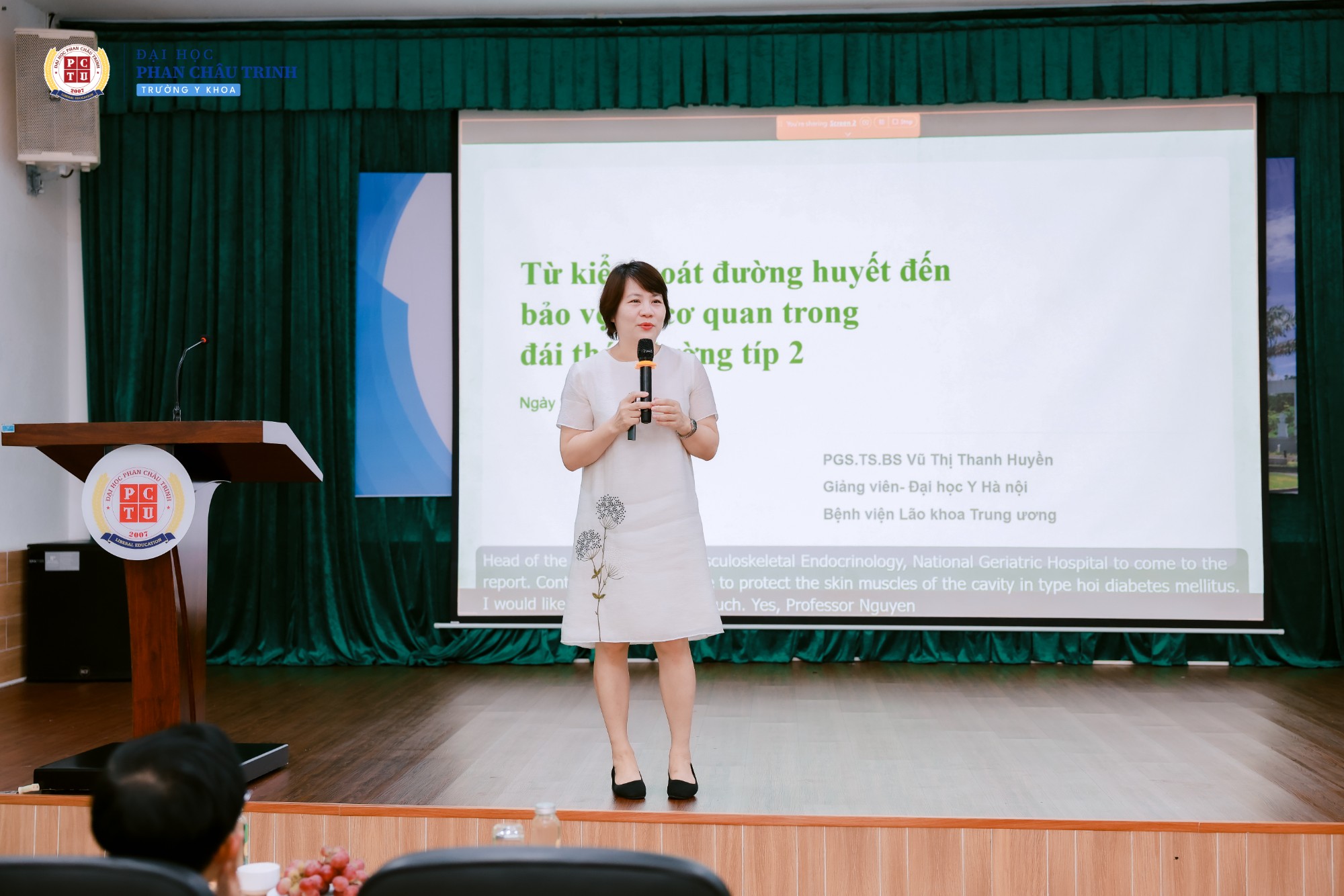
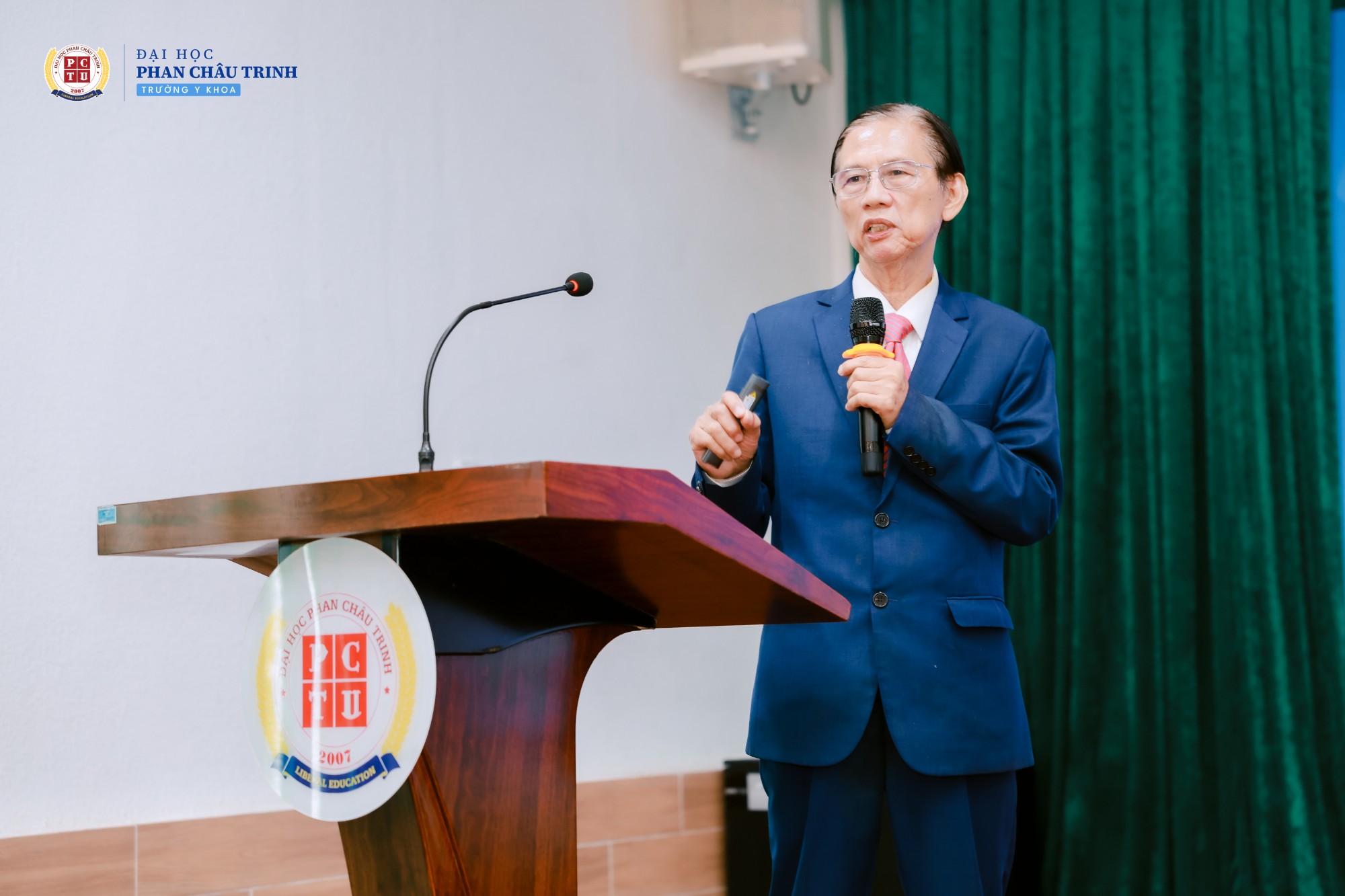
Experts during their presentations
The program also featured lively professional discussions between the speakers and participants regarding current challenges and emerging trends in diabetes treatment.
Beyond providing updated professional knowledge, the seminar also created an opportunity for PCTU health sciences students to access new advances in modern medicine, gain a deeper understanding of the role of scientific research in clinical practice and patient care. It was also an occasion for learners to connect with leading experts, fostering academic thinking and a spirit of lifelong learning in the medical field.
Other news
- A new academic year begins with values carried forward ( 08:03 - 12/09/2026 )
- Exploring clinical placement opportunities in Australia with Bond University for PCTU medical students ( 09:29 - 27/08/2026 )
- Two research centers – one shared vision in regenerative medicine ( 09:13 - 27/08/2026 )
- Continue collaborating with Bond University to expand the clinical internship network. ( 08:37 - 27/08/2026 )
- Continue training faculty members of the Institute–University on simulation-based teaching methods ( 08:04 - 22/08/2026 )
- Da Nang C hospital connects with PCTU to strengthen professional exchange in hospital–university collaboration ( 09:20 - 21/08/2026 )
- Welcoming Korean students to PCTU for cadaveric anatomy study ( 16:04 - 18/08/2026 )
- CONNECTING SCIENCE, CREATING NEW SOLUTIONS FOR REGENERATIVE MEDICINE ( 08:57 - 18/08/2026 )
- PCTU Discusses AI Applications in Healthcare with AITRICS ( 08:51 - 17/08/2026 )
- PCTU Explores Mayo Clinic’s Expertise in Conducting Clinical Trials ( 14:30 - 05/08/2026 )
PHAN CHAU TRINHUNIVERSITY
- 09 Nguyen Gia Thieu street,
Dien Ban Dong ward,
Da Nang city
Phan Chau TrinhUniversity’s Hospital
- 09 Nguyen Gia Thieu street,
Dien Ban Dong ward,
Da Nang city