



Contact Admission
International Collaboration




Home AEDs: High Life-Saving Effectiveness, but Not Cost-Effective at Current Prices
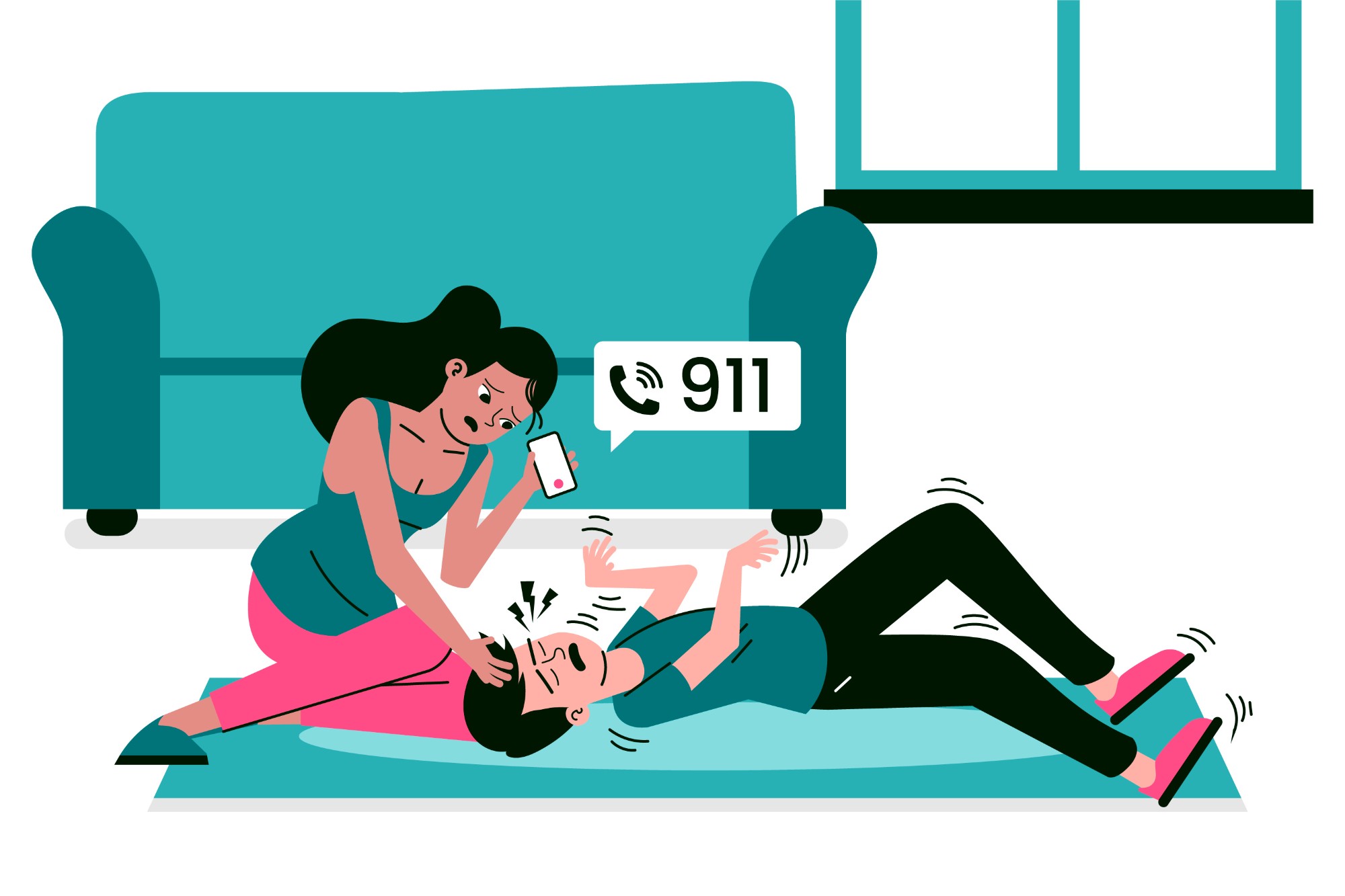
Automated external defibrillators (AEDs) have the potential to save the lives of patients experiencing cardiac arrest, particularly since the majority of cardiac arrests occur in private residences (approximately 70%). A large cohort study conducted in the United States between 2017 and 2024 found that the use of AEDs in home settings is effective in improving outcomes for cardiac arrest patients with shockable rhythms. Specifically, survival to hospital discharge was 1.26 times higher among patients with shockable rhythms who received AED intervention compared with those who did not.
However, because cardiac arrest events within an individual household are relatively rare (0.05% per person per year) and the current cost of AEDs remains high, widespread purchase of AEDs for every household is not considered cost-effective. The incremental cost-effectiveness ratio (ICER) for a home AED is estimated at $4,481,659 per quality-adjusted life year (QALY), far exceeding commonly accepted willingness-to-pay thresholds.
Out-of-Hospital Cardiac Arrest and the Potential Role of Home-Based AEDs
Out-of-hospital cardiac arrest (OHCA) represents a major public health challenge, with more than 300,000 cases occurring annually in the United States. Overall prognosis remains poor, as fewer than 10% of patients survive to hospital discharge. Notably, approximately 70% of OHCA cases occur in private residences, where outcomes are generally worse than those in public settings.
Automated external defibrillators (AEDs) have been shown to be life-saving when used promptly by bystanders. While the clinical effectiveness and cost-effectiveness of AEDs in high-risk public locations are well established, the value of deploying AEDs in individual households remains a subject of ongoing debate.
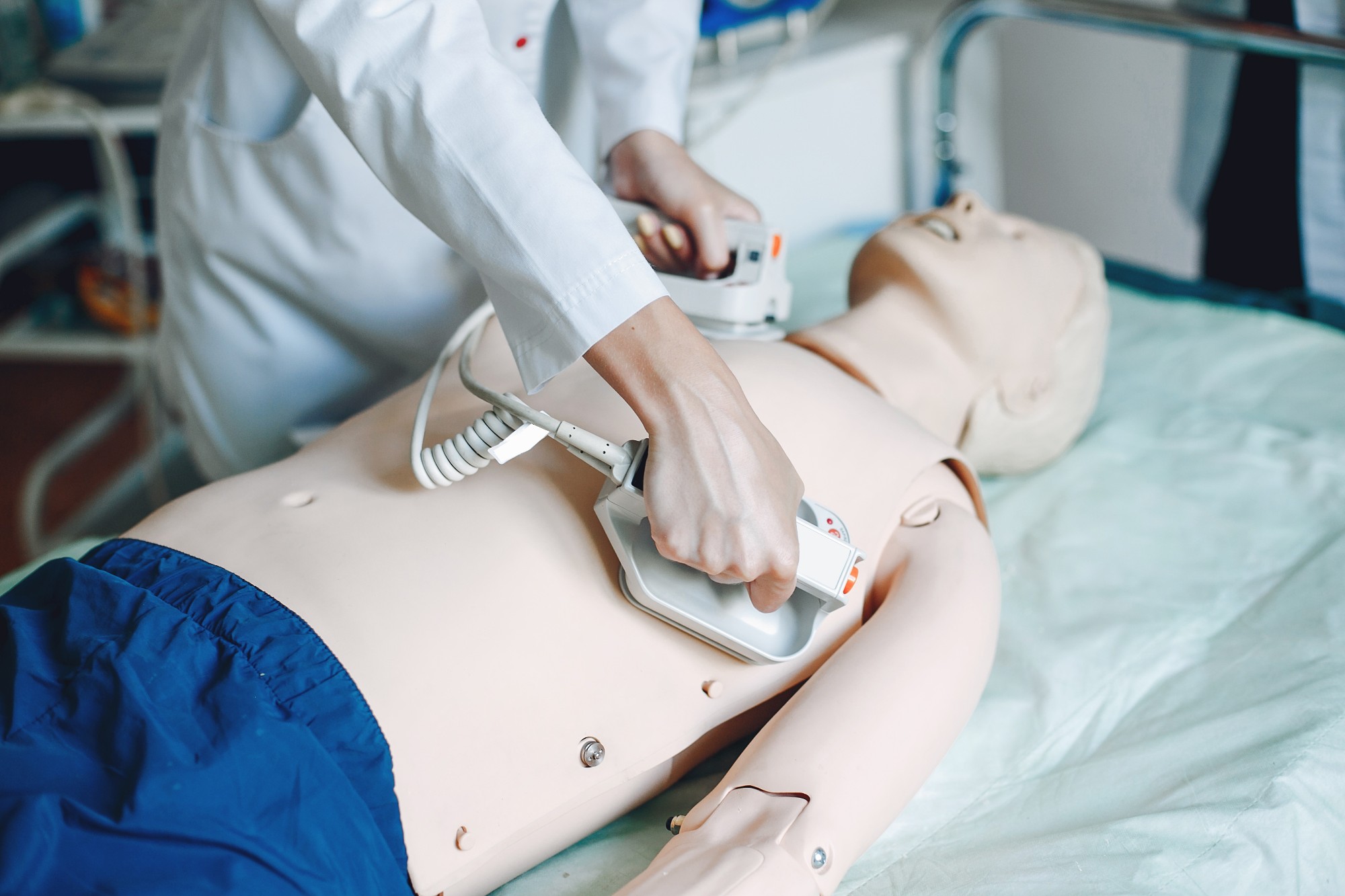
Automated External Defibrillator (AED)
A Large-Scale Cohort Study on Home-Based AEDs
A large-scale observational cohort study using data from the U.S. Cardiac Arrest Registry to Enhance Survival (CARES), conducted between January 2017 and December 2024, evaluated the effectiveness and cost-effectiveness of AEDs in home settings. The study analyzed data from 582,536 patients who experienced out-of-hospital cardiac arrest in private residences.
Clinical Effectiveness: Selective Benefits by Cardiac Rhythm Type
The study employed a difference-in-differences analytical approach to identify a causal relationship between AED use and clinical outcomes. The results demonstrated that the benefits of AEDs are not uniform but are closely dependent on the patient’s initial cardiac rhythm.
- Shockable rhythms: The use of an AED was associated with a significantly higher rate of survival to hospital discharge compared with no AED use (risk ratio [RR] = 1.26; 95% confidence interval, 1.01–1.57), corresponding to an approximate 26% improvement. In addition, the proportion of patients with favorable neurological outcomes at discharge was also higher (RR = 1.33).
- Non-shockable rhythms: No survival benefit was observed, with a risk ratio of approximately 1.00.
These findings provide strong evidence that home-based AEDs offer clear clinical benefits for patients experiencing cardiac arrest with shockable rhythms.
Cost Barriers and the Feasibility of Widespread Implementation
Although AEDs provide clinical benefits for a specific subset of patients, equipping each individual household with an AED is not cost-effective at current device prices.
In the base-case analysis, having an AED at home resulted in an average gain of only 0.04 quality-adjusted life years (QALYs), while incurring an additional cost of USD 197,193. The incremental cost-effectiveness ratio (ICER) was estimated at approximately USD 4,481,659 per QALY, far exceeding the commonly accepted willingness-to-pay threshold of USD 200,000 per QALY.
The primary reason for this unfavorable cost-effectiveness is the very low incidence of cardiac arrest within individual households, estimated at only about 0.05% per person per year.
When Could Home-Based AEDs Become Cost-Effective?
The study also identified the conditions under which deploying AEDs in home settings could become cost-effective (based on a willingness-to-pay threshold of USD 200,000 per QALY):
- Substantially higher cardiac arrest incidence: The annual incidence of cardiac arrest within a household would need to exceed 1.3% per person—a very high risk level that is difficult to accurately identify in routine clinical practice.
- Significant reduction in device costs: The annual cost of AED use would need to fall below USD 9, corresponding to a device price of approximately USD 65—far lower than current prices, with the least expensive AED currently costing around USD 1,620.
Alternative scenarios, such as sharing AEDs among multiple households, deploying them within high-risk communities (for example, populations of around 100 people), or use in high-risk elderly couples, could substantially improve cost-effectiveness.
Conclusion
At the population level, home-based AEDs have the potential to save thousands of lives each year due to their clear effectiveness in cases of cardiac arrest with shockable rhythms. However, at current device prices, widespread deployment of AEDs for individual persons or households is not economically sustainable. In the future, technological advances and supportive policies aimed at developing low-cost AEDs will play a crucial role in expanding the effective use of these devices in home settings.
Read the full article in JAMA
Other news
- How Dangerous Is Nipah Virus? Medical Alert and Urgent Health Recommendations ( 14:13 - 27/01/2026 )
- Predicting Disease from Sleep – A New Breakthrough Study ( 14:01 - 13/01/2026 )
- Medical advances predicted to break through in 2026 ( 13:54 - 12/01/2026 )
- Vietnamese medical miracles in 2025 – inspiration for medical students ( 07:54 - 07/01/2026 )
- Updating the SOFA-2 Score: A New Standard in the Assessment of Multiple Organ Failure After Three Decades ( 10:40 - 31/12/2025 )
- Artificial Intelligence and Pediatric Care ( 08:27 - 16/12/2025 )
- Applying Clinical Licensing Principles to Artificial Intelligence ( 09:36 - 08/12/2025 )
- U.S. Approves Targeted Lung Cancer Therapy Datroway ( 08:43 - 25/06/2025 )
- Therapeutic potential and mechanisms of mesenchymal stem cell-derived exosomes as bioactive materials in tendon–bone healing ( 08:38 - 23/11/2023 )
- Symbol of medicine ( 19:38 - 19/09/2021 )
PHAN CHAU TRINHUNIVERSITY
- 09 Nguyen Gia Thieu street,
Dien Ban Dong ward,
Da Nang city
Phan Chau TrinhUniversity’s Hospital
- 09 Nguyen Gia Thieu street,
Dien Ban Dong ward,
Da Nang city