

Contact Admission
International Collaboration


Vietnamese medical miracles in 2025 – inspiration for medical students
Are you studying medicine and have you ever asked yourself: “What am I working so hard for?”
In 2025, the medical miracles achieved by Vietnamese doctors have given a clearer answer than ever.
These are not only accomplishments of Vietnamese medicine—they are the future of you.
The year 2025 marks a proud milestone for Vietnamese medicine. From first-of-their-kind surgeries to groundbreaking innovations, these achievements testify to the intellect, courage, and compassion of Vietnamese physicians in their relentless fight to save lives.
These miracles are not far away. They were created right here in domestic hospitals, by Vietnamese hands. More than anything, they are a powerful source of inspiration for today’s medical students—the generation that will continue writing the story of Vietnamese medicine in the future.
“Nurturing” a severed hand on the leg to preserve a mother’s destiny
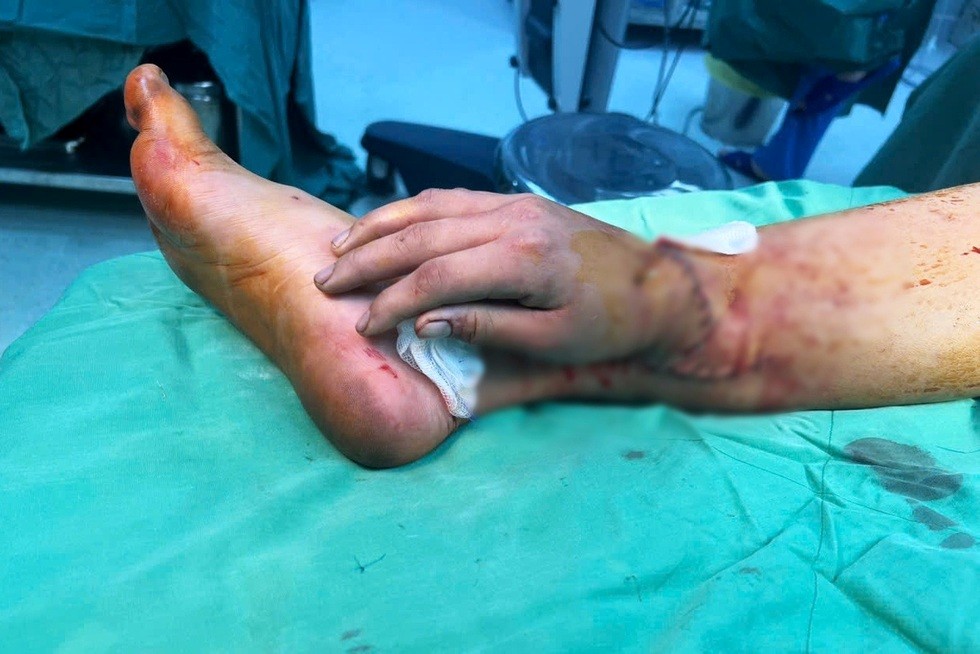
A 19-year-old woman, 34 weeks pregnant with twins, suffered a serious workplace accident in which her right hand was completely severed. Given the special circumstance of a twin pregnancy, doctors at Binh Duong General Hospital faced an extremely difficult choice: immediate reattachment posed a high risk of miscarriage due to anesthetic drugs and a prolonged 7–8 hour surgery; conventional management would mean the permanent loss of the hand.
The surgical team decided to temporarily graft the severed hand onto the patient’s lower leg to maintain blood supply and tissue viability while waiting for the fetuses to mature. After nearly two months, the doctors performed a 13-hour microsurgical operation to reattach the hand to its original position, while closely monitoring fetal heart rates throughout the procedure.
The outcome was a complete success: the hand recovered, and the mother safely delivered two healthy baby boys by cesarean section. This was not only a rare microsurgical success worldwide, but also a powerful symbol of medical ethics and profound humanistic values.
Simultaneous heart–lung transplantation
In August 2025, Viet Duc University Hospital successfully performed Vietnam’s first simultaneous heart–lung transplant on a 38-year-old female patient with end-stage heart and lung failure.
The major surgery lasted seven hours with the support of a ca
rdiopulmonary bypass system. The heart and lungs were donated from a brain-dead donor and transplanted simultaneously. Postoperatively, the greatest challenges were balancing anti-rejection medications and managing the high risk of infection from the donor lungs. Thanks to a flexible treatment strategy (using nearly 40 medications, combined blood filtration, and tailored antibiotic adjustments) and close multidisciplinary collaboration, the patient overcame the critical phase and gradually recovered.
At a time when only about 100 heart–lung transplants are performed worldwide each year, this success marked a solid step forward for Vietnamese medicine on the global transplant map, opening new hope for patients who previously had almost no options.
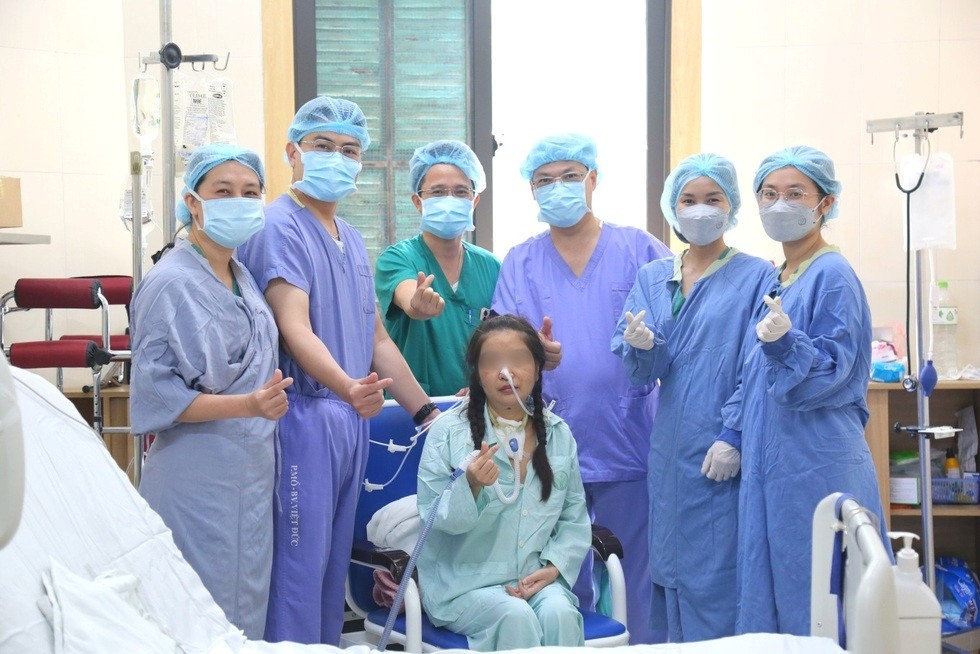
Simultaneous heart–lung transplantation. Photo: Viet Duc Friendship Hospital
Total hip replacement in a child using 3D printing technology
A 12-year-old child suffered from femoral head necrosis, prolonged pain, abnormal gait, severe spinal curvature, and a lifelong risk of disability. Total hip replacement in children is an enormous challenge due to incomplete skeletal development and the risk of future leg-length discrepancy. Worldwide, only two similar cases had been reported (in children aged 10 and 11).
For the first time in Vietnam, doctors at Vinmec Hospital applied 3D printing technology and personalized surgical modeling to fabricate a hip prosthesis precisely tailored to the child’s bone structure.
Two months after surgery, the child was able to walk normally, with balanced posture and no remaining spinal deformity. This success marked an important advance in precision medicine for pediatric orthopedic surgery, opening new hope for many children with joint damage.
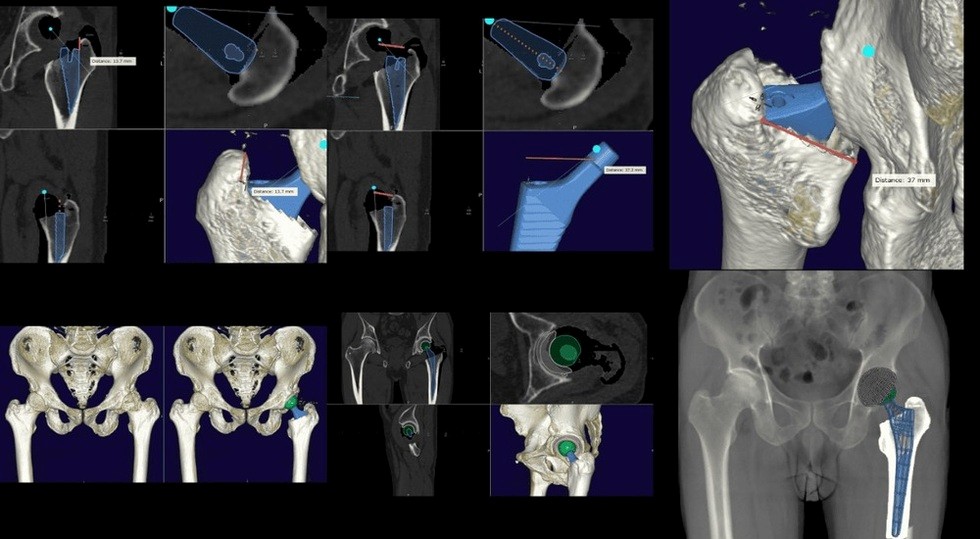
Total hip replacement for a pediatric patient using 3D printing technology. Photo: Vinmec
Removing a kidney for “repair” and re-transplanting it, freeing a patient from lifelong dialysis
In October 2025, a 37-year-old woman with a large renal artery aneurysm—who had been advised by multiple institutions to undergo kidney removal to prevent life-threatening rupture—was admitted for treatment. Instead of choosing the safest option, doctors at the 108 Central Military Hospital decided to perform an autologous kidney transplant, a rare and highly complex technique.
The kidney was removed from the body, its blood vessels reconstructed externally, and then re-implanted into the same patient, with warm ischemia time limited to just 20–30 minutes. The successful surgery allowed the patient to keep her own kidney and avoid lifelong dialysis.
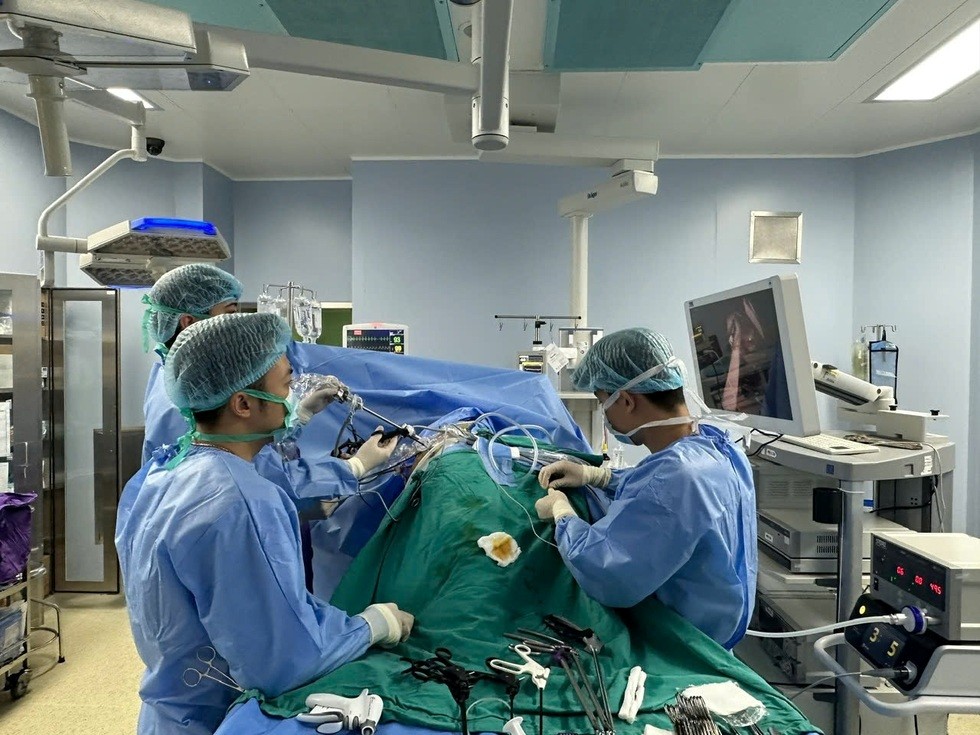
Removing the kidney for “repair” and re-transplanting it, freeing the patient from lifelong dialysis. Photo: 108 Military Central Hospital
The soft robotic heart – a Vietnamese intellectual mark on the global stage
In 2025, Associate Professor Đỗ Thanh Nhỏ, a Vietnamese scientist at the University of New South Wales (Australia), successfully developed a soft robotic heart capable of temporarily replacing human heart function. This achievement earned him recognition from the World Health Organization as a “Champion of Future Health.”
The device is placed outside the body and accurately simulates real heartbeats and blood flow, reducing invasiveness and infection risk compared to implanted devices. In the future, this technology aims to replace donor hearts, addressing the global shortage of transplant organs. The research team is currently collaborating with major hospitals in Vietnam to gradually transfer the technology.
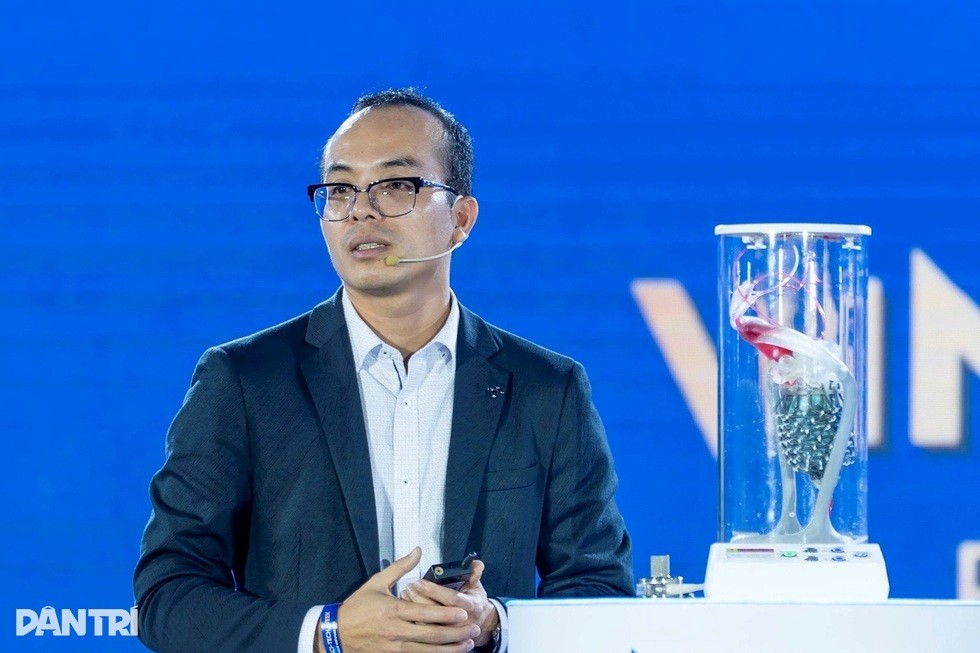
The soft robotic heart – a hallmark of Vietnamese ingenuity on the international stage. Photo: Dan Tri Newspaper
MESSAGE TO MEDICAL STUDENTS
The medical miracles of 2025 remind us that medicine is not just about advanced machines or cutting-edge techniques—it begins with intellect, courage, and a heart that aches alongside patients. Every successful surgery is paid for with sleepless nights of study and years of quiet, relentless training by physicians.
Miracles are not born from luck. They are created by people who were once students—who felt pressure, exhaustion, and self-doubt, yet never allowed themselves to give up.
Do not study medicine just to graduate. Do not wear the white coat merely to have a job. Study to be strong enough to save lives, knowledgeable enough not to miss a patient’s chance to live, and ethical enough to never turn away from human suffering.
The journey ahead awaits young people with enough aspiration, discipline, and humanity to continue writing new miracles for Vietnamese medicine.
Start with yourself, today.
Other news
- How Dangerous Is Nipah Virus? Medical Alert and Urgent Health Recommendations ( 14:13 - 27/01/2026 )
- Predicting Disease from Sleep – A New Breakthrough Study ( 14:01 - 13/01/2026 )
- Medical advances predicted to break through in 2026 ( 13:54 - 12/01/2026 )
- Updating the SOFA-2 Score: A New Standard in the Assessment of Multiple Organ Failure After Three Decades ( 10:40 - 31/12/2025 )
- Home AEDs: High Life-Saving Effectiveness, but Not Cost-Effective at Current Prices ( 14:12 - 18/12/2025 )
- Artificial Intelligence and Pediatric Care ( 08:27 - 16/12/2025 )
- Applying Clinical Licensing Principles to Artificial Intelligence ( 09:36 - 08/12/2025 )
- U.S. Approves Targeted Lung Cancer Therapy Datroway ( 08:43 - 25/06/2025 )
- Therapeutic potential and mechanisms of mesenchymal stem cell-derived exosomes as bioactive materials in tendon–bone healing ( 08:38 - 23/11/2023 )
- Symbol of medicine ( 19:38 - 19/09/2021 )
PHAN CHAU TRINHUNIVERSITY
- 09 Nguyen Gia Thieu street,
Dien Ban Dong ward,
Da Nang city
Phan Chau TrinhUniversity’s Hospital
- 09 Nguyen Gia Thieu street,
Dien Ban Dong ward,
Da Nang city