



Contact Admission
International Collaboration





Why is arsenic no longer used in dentistry?
Arsenic has been eliminated from modern dentistry due to its high toxicity and risk of causing jawbone necrosis, which can lead to serious complications for patients. Therefore, recent actions by authorities in detecting and handling a large number of unregulated dental products containing arsenic have raised serious concerns about safety in dental treatment.
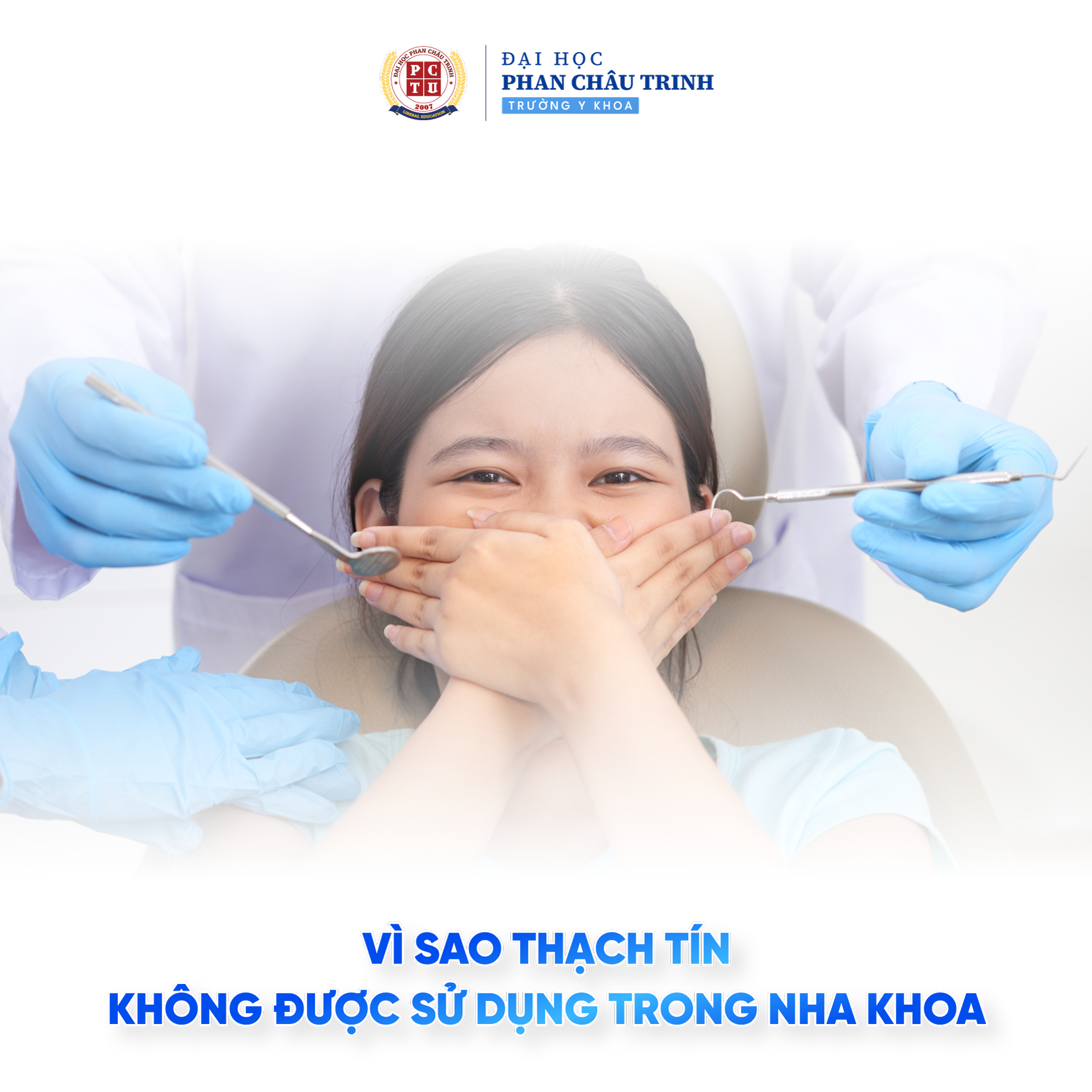
Arsenic (Arsenic Trioxide – As₂O₃) is classified as a highly toxic substance. This active compound works through a cytotoxic mechanism, causing necrosis of the dental pulp tissue (including blood vessels and nerves), thereby helping patients quickly eliminate pain within 24–48 hours. Because of this effect, arsenic was used decades ago as an ingredient in pulp-devitalizing agents.
However, the greatest limitation of arsenic is its strong diffusion property. When placed in the pulp chamber, the substance tends to seep through the apical foramen into surrounding tissues, causing chemical periapical inflammation and gingival necrosis. More seriously, it can lead to osteomyelitis of the jaw, resulting in bone destruction, tooth mobility, and eventual tooth loss. If the concentration is incorrect or if the patient accidentally swallows it, arsenic can also cause systemic poisoning, affecting the liver and kidneys. These difficult-to-control risks are why arsenic is no longer used in modern dentistry.
According to MSc, MD, Specialist Level II Nguyễn Hữu Hải – Vice Head of the Odonto-Stomatology Department, Phan Chau Trinh University:
The use of arsenic in root canal treatment is no longer applied in teaching or clinical practice due to the serious risks it poses to surrounding oral tissues and overall health. Instead, students and dentists are trained to follow modern endodontic methods that prioritize local anesthesia, thorough removal of infected pulp using specialized instruments, strict infection control, and root canal obturation with certified safe materials. These techniques effectively control pain, reduce complications, and preserve as much natural tooth structure as possible.
From a professional perspective, PCTU recommends:
- Choose licensed and reputable dental care facilities
- Ask your dentist about the medications and materials used during treatment
At Phan Chau Trinh University Hospital, the Odonto-Stomatology Department serves both as a clinical training center for students in Dentistry and Dental Nursing and as a treatment unit operating under modern safety standards. With a comprehensive dental equipment system and a team of experienced lecturers and dentists from Phan Chau Trinh University, the hospital provides a wide range of services—from basic dental care to advanced procedures such as endodontics, aesthetic prosthodontics, teeth whitening, crowns, porcelain veneers, and dental implants—aiming to deliver comprehensive, safe, and evidence-based treatment solutions for patients.
Other news
- Malaria Prevention and Control ( 14:30 - 28/04/2026 )
- Recommended spots for your Da Nang trip ( 13:26 - 13/02/2026 )
- 25 Cancer Warning Signs You Often Ignore ( 09:19 - 13/12/2025 )
- Should you get a tetanus shot if you’re injured while cleaning up after a flood? ( 09:22 - 28/11/2025 )
- 7 Diseases Likely to Spread After Floods – A Family Health Guide ( 14:01 - 25/11/2025 )
- HOW DOES MORNING COFFEE AFFECT GUT HEALTH? ( 08:38 - 15/12/2024 )
- RABIES: CAUSES, PREVENTIVE MEASURES, AND TIMELY TREATMENT ( 14:21 - 08/11/2024 )
- These small but the benefit did not expect help prevent COVID-19 ( 08:44 - 27/04/2021 )
- Foods that help prevent breast cancer ( 08:42 - 27/04/2021 )
- How to recognize and prevent dengue fever ( 09:39 - 22/04/2021 )
PHAN CHAU TRINHUNIVERSITY
- 09 Nguyen Gia Thieu street,
Dien Ban Dong ward,
Da Nang city
Phan Chau TrinhUniversity’s Hospital
- 09 Nguyen Gia Thieu street,
Dien Ban Dong ward,
Da Nang city